


Blurb
Rajkumar Patil Telkur criticises Karnataka government, calling it “Taliban-style” and accusing it of appeasement politics in Kalaburagi
Kalaburagi
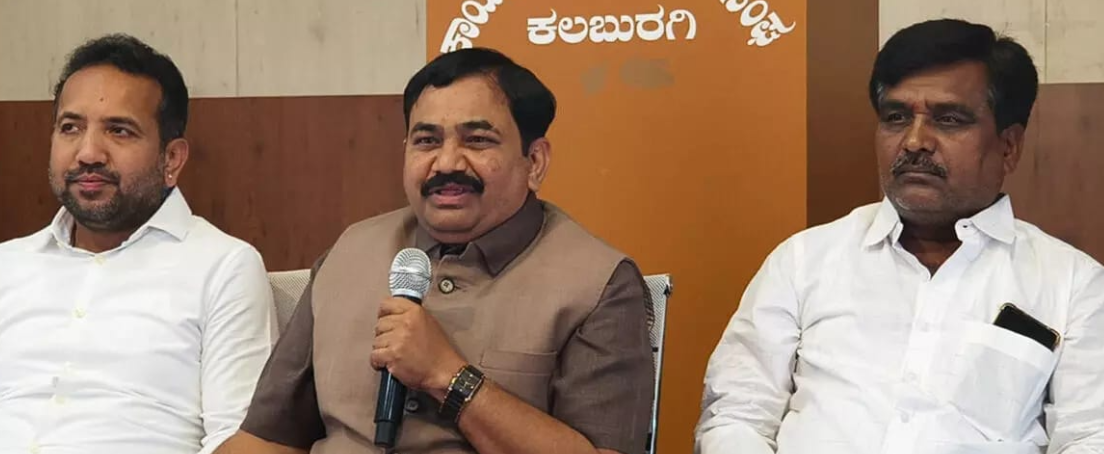
Former Sedam MLA Rajkumar Patil Telkur has strongly criticised the Karnataka government, alleging that it is functioning like a “Taliban-style government” and accusing it of following appeasement-based policies. He made these remarks during a press conference held at the Press Club in Kalaburagi.
Telkur alleged that the state government, led by the Congress, has been selectively withdrawing cases involving members of minority communities while not showing similar leniency in cases involving Hindu religious leaders and seers. He claimed this reflected biased governance and accused the administration of crossing “all limits” in appeasement politics after coming to power.
He also referred to the implementation of dress code-related issues in educational institutions, stating that allowing the hijab in schools and colleges was an example of policy imbalance. According to him, such decisions could create long-term social divisions in the state. He further warned that the people of Karnataka would respond politically in future elections, drawing comparisons with political shifts in other states such as West Bengal.
Speaking on national issues, the former MLA mentioned the ongoing geopolitical tensions in the Middle East and said that Prime Minister Narendra Modi had appealed to citizens to reduce the use of oil products in the national interest. He criticised Karnataka minister Priyank Kharge for allegedly not taking the issue seriously.
Defending the Prime Minister’s foreign visits, Telkur stated that Modi does not travel abroad without purpose and claimed that several agreements and development projects have resulted from such diplomatic engagements. He said these visits have contributed to India’s global partnerships and economic development.
The press conference was attended by several BJP leaders, including district and city-level office bearers, who supported Telkur’s criticism of the state government. The remarks add to the ongoing political debate in Karnataka, where issues of governance, minority policies, and national leadership continue to be strongly contested between parties.