


New Delhi
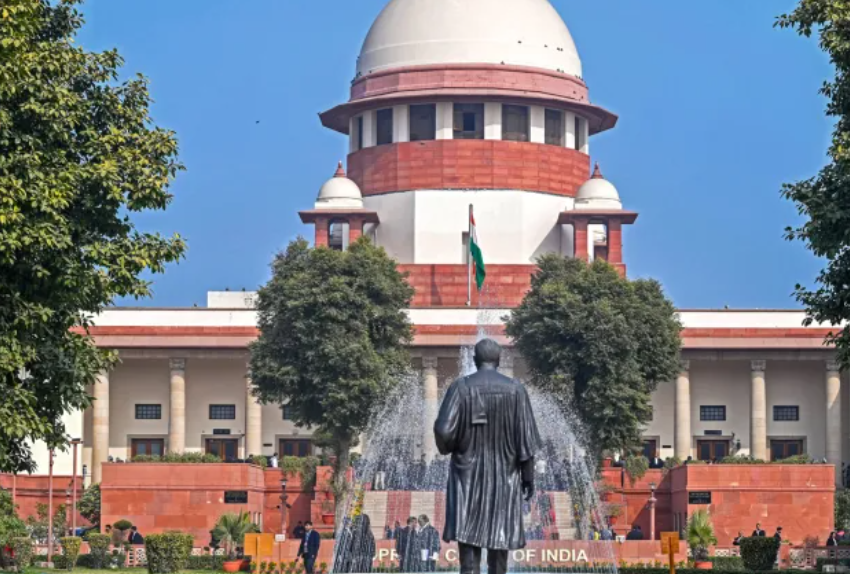
A petition has been filed before the Supreme Court of India seeking the cancellation of the upcoming Tamil Nadu Assembly elections, alleging widespread voter bribery and failure of authorities to ensure free and fair polls. The plea raises serious concerns about the integrity of the electoral process in the state.
The writ petition, filed by Tamil Nadu resident K.K. Ramesh, urges the Election Commission of India and the Tamil Nadu Chief Electoral Officer to annul the 2026 Assembly elections. The petitioner claims that the electoral process has been vitiated due to rampant distribution of cash, gifts, liquor, and other inducements aimed at influencing voters.
According to the petition, major political parties, including the Dravida Munnetra Kazhagam, Bharatiya Janata Party, All India Anna Dravida Munnetra Kazhagam, Tamilaga Vettri Kazhagam, and the Indian National Congress, have allegedly engaged in large-scale bribery. The plea claims that voters are being enticed with cash payments and freebies such as laptops, televisions, grinders, mixers, fans, as well as livestock including goats and cows.
The petitioner argued that despite being aware of such practices, the Election Commission has failed to take effective steps to curb them. Emphasising the gravity of the issue, the plea stated that bribery undermines the very foundation of democracy and called for strict measures to preserve the sanctity of elections.
The petition also pointed out that Tamil Nadu has been classified by the Election Commission as an expenditure-sensitive state due to repeated instances of high-value seizures during elections. It cited data indicating that during the 2024 Lok Sabha elections, enforcement agencies seized cash, precious metals, drugs, and liquor worth Rs 1,324.83 crore in the state. Similarly, seizures during the 2021 Assembly elections were estimated at around Rs 1,000 crore.
Highlighting alleged systemic malpractice, the petitioner claimed that in several constituencies, voters were offered between Rs 5,000 and Rs 10,000 per vote. It further alleged that political parties have developed sophisticated methods of distributing cash, making it difficult for voters to refuse such inducements.
The case is expected to draw significant attention as it raises critical questions about electoral integrity and the effectiveness of monitoring mechanisms. The Supreme Court’s response could have far-reaching implications for the conduct of elections not only in Tamil Nadu but across the country.