


COLOMBO
Devastated families across Sri Lanka are mourning the loss of 26 people killed during a horrific two-day prison riot. The violent outbreak, which erupted in the coastal town of Negombo, has been declared the nation’s worst correctional facility crisis in years, claiming the lives of seven prison officials and 19 inmates.
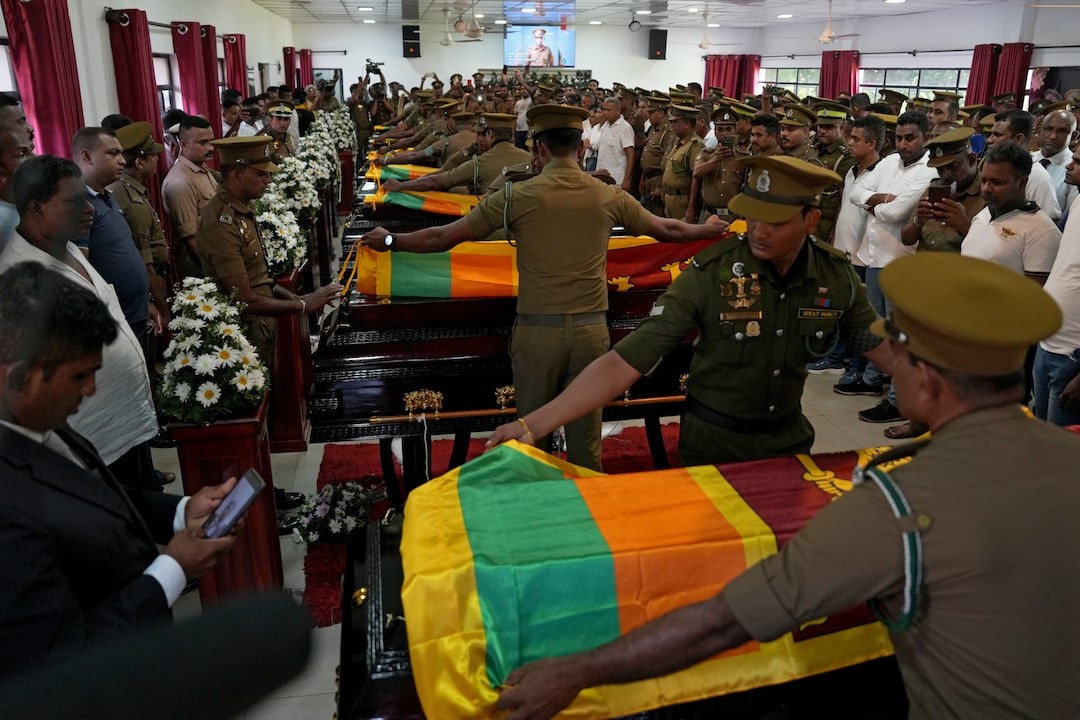
Grieving relatives gathered in tears at Welikada Prison as the bodies of the slain officers, draped in the national flag, were brought to Colombo. Among the victims was 41-year-old Sergeant S.D.S Abeywardana, a former Navy veteran. He belonged to an elite anti-corruption unit deployed to restore order when clashes escalated. Officers were brutally attacked with bricks and clubs by rioting inmates attempting a mass jailbreak. The bodies of the 19 deceased prisoners have also been released to their families following postmortems.
Initial government investigations revealed that the deadly violence was triggered by internal friction over illegal narcotics. A group of inmates leaked crucial information about an ongoing drug-smuggling ring to prison authorities. This move severely angered a rival gang backing the trade, causing a brutal clash between the two factions that eventually turned into a full-scale riot against the guards.
The tragic incident has cast a harsh light on the severe, chronic overcrowding plaguing Sri Lanka’s correctional system. Human rights advocates noted that the Negombo facility was dangerously packed, housing around 2,400 inmates despite having an official structural capacity for only 650 people.
In response to the tragedy, Justice Minister Harshana Nanayakkara expressed profound shock and took full responsibility for the failure. He announced that a committee of retired judges will investigate the security lapses. To permanently ease overcrowding, the government is expanding jail capacities and fast-tracking a new house arrest law utilizing electronic tracking.