


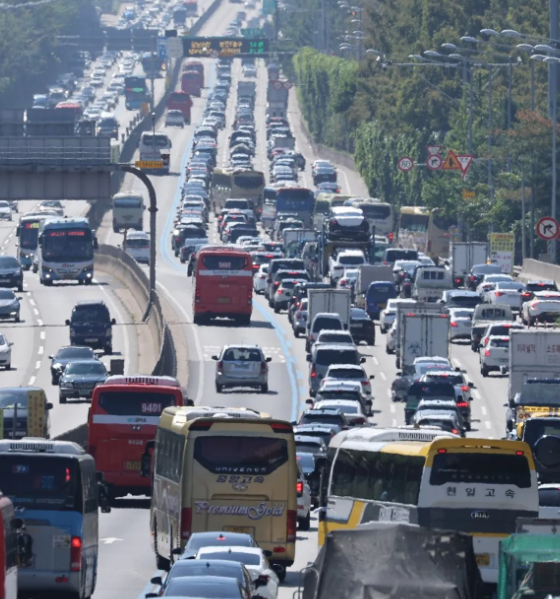
Intro: The govt has signalled that stricter energy-saving measures, including expanding a mandatory 5-day vehicle rotation system to private sector, could be implemented if global oil prices continue to rise amid Middle East tensions.
Seoul
Finance Minister Koo Yun-cheol on Sunday said authorities are closely monitoring global oil market trends and may take additional steps if prices reach between $120 and $130 per barrel.
Speaking during a televised interview, he warned that such a surge could force the government to elevate its national resource crisis alert to Level 3, triggering broader restrictions and stronger public cooperation measures.
Currently, the country is operating under a Level 2 alert in its four-tier national resource security crisis system. This status was raised last week due to concerns over potential disruptions in crude oil supplies caused by ongoing geopolitical instability in the Middle East. The government believes that further escalation in the region could significantly impact global energy markets, leading to higher fuel costs and economic strain.
As part of existing measures, a mandatory five-day vehicle rotation system has already been implemented for the public sector. Under this rule, vehicles are restricted from operating one day out of every five working days, based on the last digit of their license plate numbers. While the private sector has so far been encouraged to participate voluntarily, officials are now considering making compliance compulsory if the crisis deepens.
Koo emphasized that the government’s priority is to minimize the economic impact of rising oil prices while ensuring energy conservation nationwide. In addition to potential mobility restrictions, authorities are preparing a supplementary budget worth 25 trillion won, equivalent to approximately $16.6 billion. This financial package aims to support small and medium-sized enterprises, which are particularly vulnerable to fuel price fluctuations, as well as households facing increased living costs.
The government’s approach reflects a broader effort to balance economic stability with resource management, as uncertainties in the global energy landscape continue to grow.