


INTRO: The deployment of long-range “counterstrike” missiles at two bases marks a historic shift in military policy
TOKYO
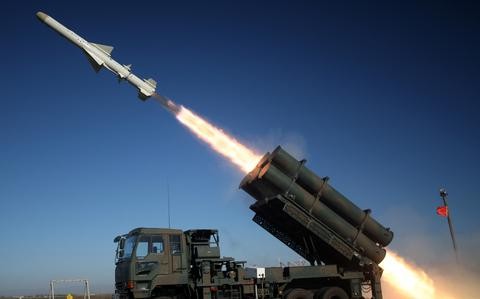
Japan’s Defence Ministry announced that the long-range missiles with “counterstrike” capabilities have been put into service for the first time.
The deployment at two army bases marks a historic and controversial shift in the nation’s military policy, which has focused strictly on self-defence since World War II.
One base in southwestern Japan now holds upgraded missiles capable of traveling 1,000 kilometers, reaching far beyond Japan’s borders. A second base in central Japan has been equipped with high-speed gliding projectiles designed to defend islands. While the government argues these weapons will deter enemies, critics say they give Japan the ability to strike other countries first, potentially violating international law.
The move has sparked a wave of anger among local citizens. In Kumamoto, protesters gathered near the military gates with signs reading “No missiles needed.” Many residents fear that housing such powerful weapons will turn their quiet neighborhoods into primary targets if a war breaks out. They have repeatedly asked the government for public meetings, but officials have yet to grant them.
In Tokyo, community leaders met with the Defence Ministry to demand a halt to the military expansion. They criticized Prime Minister Sanae Takaichi’s administration for being secretive and avoiding transparency by citing “national security.” Activists argue that building up such a massive arsenal without public consent is a dangerous path. Despite the government’s firm stance, civic groups say they will continue to amplify their voices through protests and parliamentary questions.