


Blurb:
At a time when many regions are facing shortages of fuel and cooking gas, a small village in Belagavi district has emerged as a model of self-reliance by adopting gobar gas as its primary source of energy. The initiative has significantly reduced dependence on conventional gas cylinders.
Belagavi
Kattanbhavi village in Belagavi taluk has gained attention for its widespread use of gobar gas, with nearly 85 percent of households producing their own cooking fuel. Out of approximately 250 houses in the village, more than 200 have installed gobar gas units, making the community largely independent of external gas supplies.
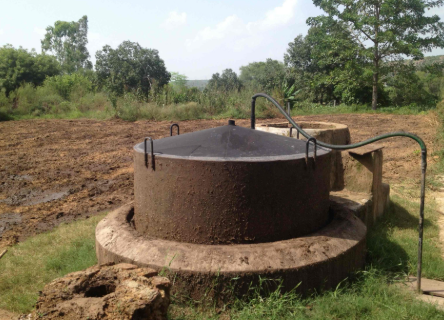
The village’s success is rooted in its strong agricultural and dairy-based lifestyle. Most families own cattle such as cows, buffaloes, and bullocks, which provide a steady supply of dung. This, along with household waste, is used to produce gobar gas through simple biogas plants set up in the backyards of homes. The system not only ensures a continuous fuel supply but also promotes sustainable waste management.
Residents say that the availability of gobar gas has eliminated the need to rely on gas cylinder bookings, which can often be delayed or costly. Cooking is carried out efficiently using gobar gas stoves, and families have been benefiting from this natural and eco-friendly energy source for decades. In fact, many villagers have been using gobar gas consistently for nearly 40 years.
The model has also contributed to environmental conservation by reducing dependence on firewood and fossil fuels. It has minimized deforestation and lowered carbon emissions, making it a sustainable solution for rural energy needs.
The spread of gobar gas in the region is credited to the efforts of Shivaji Kaganikar, a 76-year-old environmentalist and social activist from Kadoli village. Between 1990 and 1995, he played a key role in promoting biogas units across Belagavi, Hukkeri, and Khanapur taluks, leading to the establishment of nearly 30,000 such systems.
Kattanbhavi now stands as an inspiring example for other villages across the country, demonstrating how local resources and community participation can ensure energy security and environmental sustainability.