


Moscow
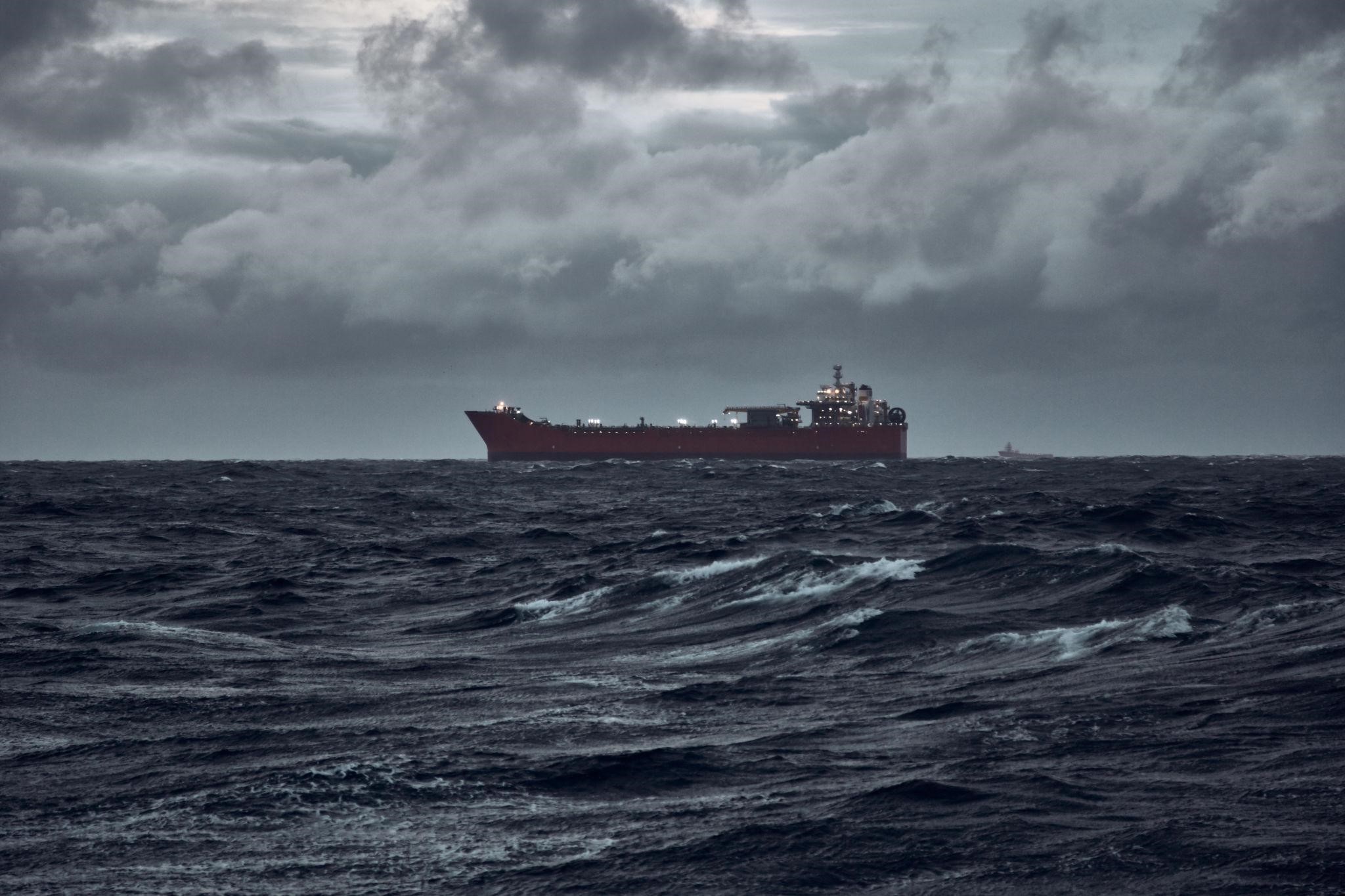
Belgium has seized an oil tanker linked to Russia’s so-called shadow fleet, escalating enforcement of Western sanctions imposed over Moscow’s invasion of Ukraine.
Belgian Defence Minister Theo Francken announced on Sunday that the vessel was intercepted and would be escorted to the Port of Zeebrugge for seizure.
According to Belgian authorities, the tanker—identified as Ethera—is listed under European Union sanctions. A Belgian official confirmed that the vessel is on the EU’s blacklist, which targets ships and entities suspected of helping Russia bypass restrictions on its oil exports.
Western sanctions imposed after Russia’s invasion of Ukraine were designed to cut off a significant portion of Moscow’s oil revenues. In response, Russia has increasingly relied on a loosely regulated network of ageing and often anonymously owned vessels commonly referred to as a shadow fleet. These ships are believed to transport Russian crude oil to global markets while attempting to evade price caps and shipping restrictions.
Francken stated that Belgium was taking firm action against such operations. The vessel is currently being escorted to the port of Zeebrugge, where it will be seized, he said. Emphasizing the broader geopolitical stakes, he added: Without his shadow fleet Putin can’t wage war against innocent Ukrainians. So we take these vessels out. One by one. Till his war of aggression stops.
Authorities and environmental experts have expressed growing concern about the risks posed by shadow fleet vessels. Many are older tankers operating under opaque ownership structures and minimal regulatory oversight. Such conditions increase the likelihood of oil spills, mechanical failures and leaks, posing significant threats to marine ecosystems and coastal communities.
Belgium’s move underscores intensifying efforts within the European Union to enforce sanctions and curb revenue streams that could finance Russia’s military campaign. Further inspections and enforcement actions against similar vessels are expected as authorities across Europe tighten scrutiny of maritime activities linked to sanctioned entities.