

Singapore
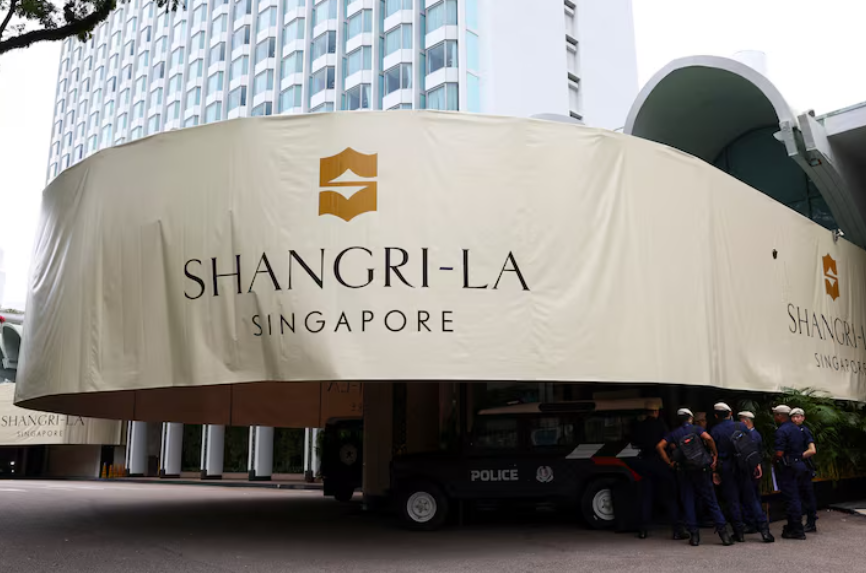
The ongoing conflict involving Iran, growing tensions surrounding Taiwan, and concerns over the United States’ strategic commitments in Asia are expected to dominate discussions at this year’s Shangri-La Dialogue, Asia’s leading defence and security forum.
The annual gathering, scheduled from May 29 to May 31 in Singapore, will bring together defence ministers, military officials, intelligence leaders, diplomats, and security experts from across the world at a time of mounting geopolitical uncertainty and economic instability.
The Shangri-La Dialogue is regarded as one of the most influential security forums in the Asia-Pacific region, offering world leaders and defence officials an opportunity to discuss regional and global security challenges. This year’s event comes amid increasing concerns over the widening conflict involving Iran and its potential impact on global stability, energy supplies, and international trade.
Vietnamese President To Lam is scheduled to deliver the keynote address on the opening evening of the forum. However, much of the attention is expected to focus on United States Defence Secretary Pete Hegseth, who will address delegates while Washington continues efforts to manage the escalating crisis involving Iran.
The conflict has already placed significant pressure on the global economy. Iran has effectively shut down the Strait of Hormuz since fighting began on February 28, severely disrupting one of the world’s most critical maritime trade routes. The strait normally carries nearly one-fifth of global oil and gas shipments, making any disruption a major threat to international energy markets.
United States President Donald Trump recently stated that his administration would not rush into any agreement with Iran despite ongoing diplomatic contacts. Trump also confirmed that the United States blockade on Iranian shipping through the Strait of Hormuz would continue until a formal agreement is finalized and verified.
The situation has raised concerns among several Asian allies regarding the United States’ ability to maintain its commitments in the Indo-Pacific region while also managing growing crises in the Middle East and Europe. Questions are likely to be directed at Hegseth over whether Washington risks becoming overstretched as it balances military, diplomatic, and economic challenges across multiple regions simultaneously.
Analysts believe Asian countries are increasingly worried about the unpredictability of United States foreign policy and the possible consequences for regional stability. Chong Ja Ian, a political scientist at the National University of Singapore, said the Iran conflict and its effects on energy supplies would likely remain the most pressing issue for Asian economies.
The sharp rise in global oil prices triggered by the conflict has already increased inflationary pressures and disrupted supply chains across industries ranging from agriculture to manufacturing. Import-dependent Asian economies are particularly vulnerable to prolonged instability in energy markets, raising fears of slower economic growth and higher living costs throughout the region.