


New Delhi
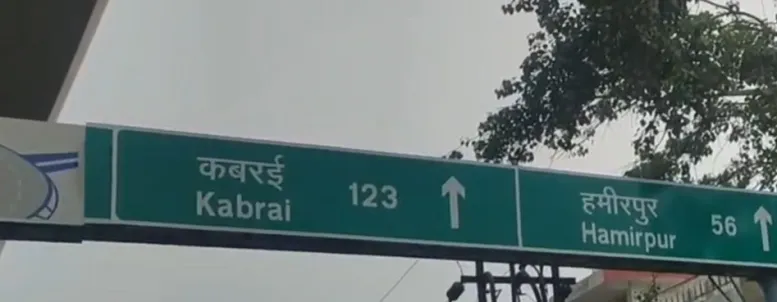
The government’s approval for the Rs 7,145 crore Kanpur-Kabrai access-controlled highway is expected to significantly strengthen logistics, industrial connectivity and agricultural market access across Bundelkhand while reducing travel time and transportation costs in Central India, according to an official statement.
The 117.7-km greenfield highway that was approved by the Cabinet Committee on Economic Affairs (CCEA) will be developed by the National Highways Authority of India (NHAI) under the Ministry of Road Transport and Highways (MoRTH).
The four/six-lane corridor forms a key part of the Bhopal-Kanpur Economic Corridor and is aimed at improving connectivity between Bundelkhand’s mineral-rich regions, industrial clusters and agricultural hinterland with major consumption centres.
According to the government, the project will facilitate faster movement of minerals, manufactured goods and farm produce, helping reduce logistics costs, improve supply chain efficiency and attract fresh investments to the region.
A major benefit of the corridor will be improved freight movement from the Kabrai mining belt, one of North India’s major sources of aggregates and construction materials, to industrial and urban centres such as Kanpur and Bhopal. The highway is expected to reduce fuel consumption, improve freight turnaround time and decongest existing highways.
In addition, travel time between Kanpur and Kabrai is projected to decline from around 3.5 hours to nearly 1.5 hours, enabling quicker movement of goods and strengthening connectivity with PM Gati Shakti economic and logistics nodes.
The project is also expected to benefit farmers by providing faster access to mandis, food processing units and major markets.
Reduced transit time is likely to minimise post-harvest losses of perishable produce while lowering transportation costs and improving price realisation.
Moreover, better road connectivity will facilitate the movement of seeds, fertilisers, farm machinery and other agricultural inputs, supporting higher productivity and greater integration of rural producers with regional and national markets.