

The sudden vacuum at the top has disrupted decades of centralized authority, potentially influencing Tehran’s diplomatic posture as it considers renewed negotiations with Washington
Dubai
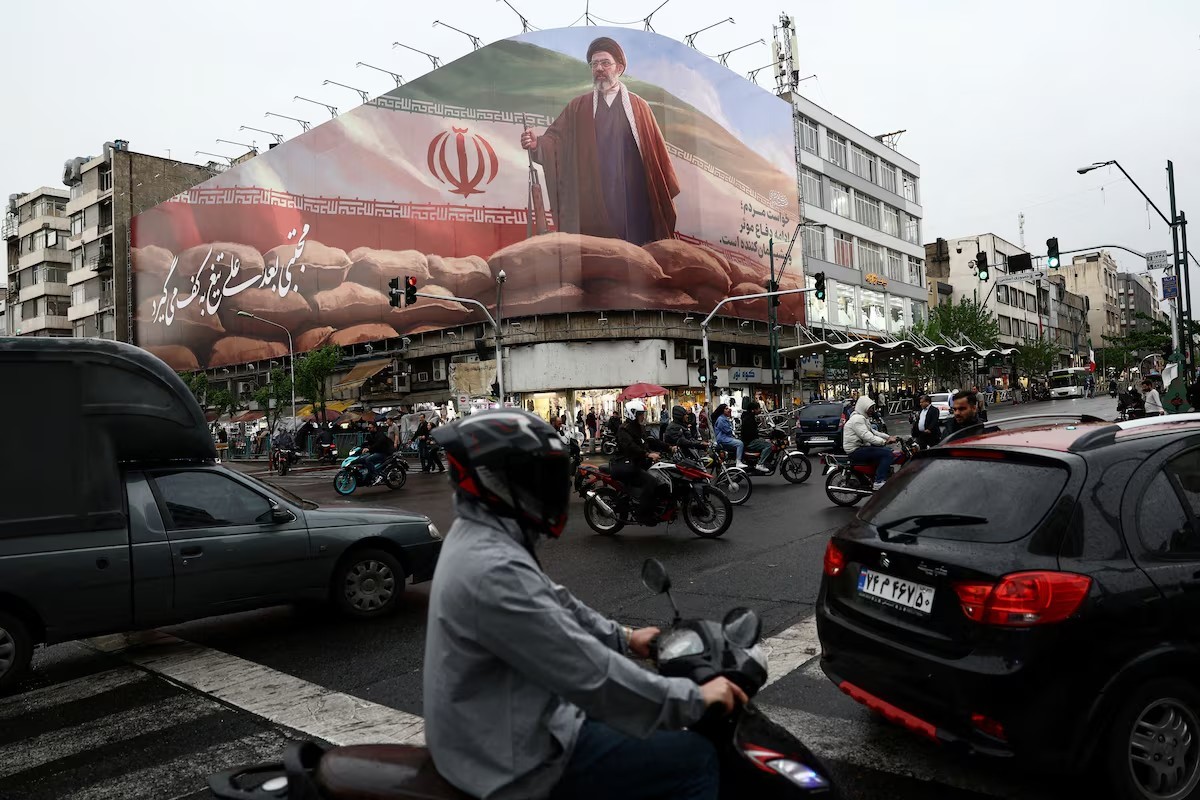
Two months into an intense conflict involving the United States and Israel, Iran is witnessing a historic transformation in its leadership structure following the death of its Supreme Leader, Ayatollah Ali Khamenei.
The sudden vacuum at the top has disrupted decades of centralized authority, potentially influencing Tehran’s diplomatic posture as it considers renewed negotiations with Washington.
Since the establishment of the Islamic Republic in 1979, Iran’s political system has revolved around a single, all-powerful Supreme Leader who held ultimate authority over both political and military decisions.
However, the killing of Ayatollah Ali Khamenei on the first day of the ongoing war has marked a significant departure from this model. His son, Mojtaba Khamenei, has since been elevated, but reports suggest that his authority is limited compared to his predecessor.
According to sources familiar with internal developments, Mojtaba Khamenei’s role appears largely symbolic, serving to endorse decisions made by powerful military figures rather than independently directing policy. This shift has effectively transferred significant influence to the Islamic Revolutionary Guard Corps (IRGC), which now plays a dominant role in both military strategy and political decision-making.
The wartime environment has further consolidated power within a smaller, more hardline circle consisting of the IRGC, the Supreme National Security Council (SNSC), and the Supreme Leader’s office. Analysts believe this concentration of authority has led to a tougher stance from Tehran, particularly in its approach to negotiations with the United States.
A senior Pakistani official involved in mediating talks between the two nations highlighted the challenges posed by the current leadership structure. The absence of a clear, centralized command has reportedly slowed Iran’s decision-making process, with responses to diplomatic proposals sometimes taking several days.
Experts suggest that while internal coordination remains complex, the primary obstacle to any agreement lies in the significant differences between U.S. expectations and the terms Iran’s hardline factions are willing to accept. The evolving power dynamics within Tehran may therefore continue to shape both the course of the conflict and the prospects for peace.