


Slug: Postal Voting Dispute
Kochi
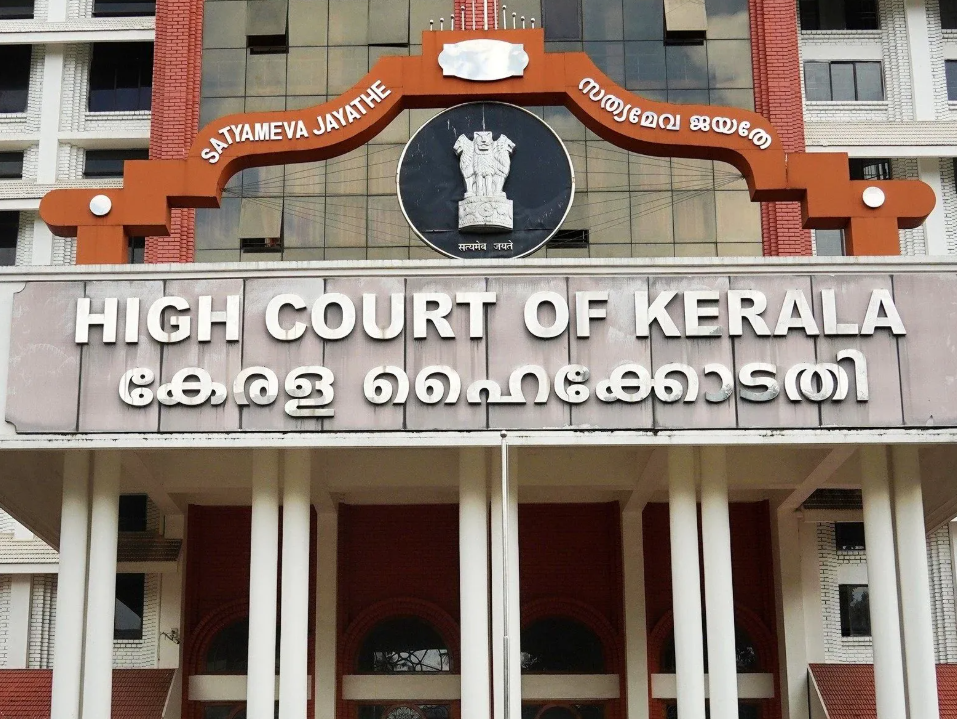
The Kerala High Court has directed the Election Commission of India to clarify whether additional arrangements can be made for voters who missed casting their postal ballots, raising concerns about electoral fairness and accessibility.
In a significant development, the Kerala High Court on Friday asked the Election Commission of India to present its position on enabling additional facilities for voters who were unable to use postal ballots in the recently concluded polls. The court scheduled the next hearing for Tuesday, instructing the poll body to submit a detailed response.
The directive comes amid concerns that certain voters, particularly those eligible for postal voting, may have been effectively disenfranchised due to logistical challenges. Postal ballots are a crucial mechanism that allows specific categories of voters, including election duty staff, to exercise their franchise when they cannot vote in person.
The court’s intervention follows a petition filed by a state government employee who claimed that his constitutional right to vote was denied despite completing all required procedures for postal voting. The case has drawn broader attention to potential gaps in the system, especially in the context of large-scale elections.
Polling for the state assembly was conducted on April 9, with counting scheduled for May 4. Observers note that postal ballots can be decisive in tightly contested constituencies, making the issue particularly significant.
Earlier, the Election Commission had assured the court that all necessary measures would be taken to ensure that polling personnel could cast their votes before reporting for election duties. This assurance came in response to a petition filed by the Kerala NGO Union, which highlighted widespread difficulties faced by government staff deployed during elections.
The union pointed out that under the Conduct of Election Rules 1961, such personnel are entitled to vote through postal ballots. However, delays in distributing ballot papers reportedly prevented many from exercising this right.
The situation was further complicated by a limited voting window between April 1 and April 8, which overlapped with tight duty schedules for election staff. As a result, many eligible voters were unable to cast their ballots in time.
With the court now seeking clarity from the Election Commission, the outcome of the case could have wider implications for electoral procedures and the protection of voting rights in future elections.