


Hubballi
A potential increase in bulk diesel prices has raised concerns for the North West Karnataka Road Transport Corporation (NWKRTC), with officials warning of a significant financial burden if the hike is implemented. The development could further strain the already loss-making public transport system in the region. According to available information, while there has been no immediate increase in diesel prices for bulk consumers, a hike in the near future remains a strong possibility. If implemented, the price of bulk diesel could rise sharply, creating serious financial implications for NWKRTC, which relies heavily on bulk diesel to operate its fleet of buses.
Officials estimate that a price increase of around Rs 22 per litre could result in an additional burden of approximately Rs 66 lakh per day for the corporation. On a monthly basis, this could escalate to nearly Rs 19.8 crore, placing immense pressure on the organization’s finances. Currently, bulk diesel is priced at around Rs 87.97 per litre, and a hike could push it up to nearly Rs 109.97 per litre.
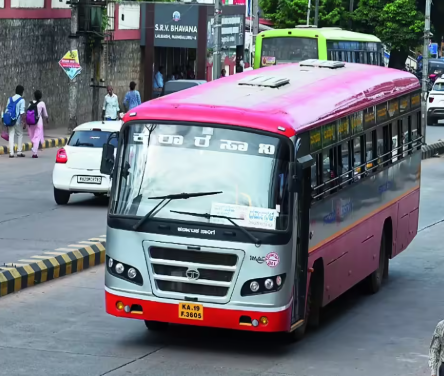
NWKRTC is one of the largest transport corporations in the region, operating across six districts including Dharwad, Belagavi, Bagalkot, Gadag, Uttara Kannada, and Haveri. The corporation manages around 5,000 buses and employs approximately 23,500 staff members. Every day, its buses cover nearly 15 lakh kilometres, consuming a substantial volume of fuel to maintain services.
Reports indicate that the corporation procures nearly 3 lakh litres of diesel daily and up to 90 lakh litres per month. Any increase in fuel costs would therefore have a direct and immediate impact on operational expenses. Given that NWKRTC is already running at a loss, officials fear that the additional burden could worsen its financial condition and affect service delivery.
Concerns have also been raised regarding funding support. While government initiatives such as the Shakti project have increased operational responsibilities, there are worries about the adequacy and timeliness of financial assistance. Officials have indicated that without sufficient support, managing the increased costs could become extremely challenging.
The situation has prompted calls for careful monitoring of fuel price trends and proactive measures to safeguard the financial stability of the transport corporation. Authorities are expected to closely evaluate the impact and explore possible solutions to mitigate the burden on public transport services.