


Intro:
Iran and the United States cautiously reopen indirect nuclear negotiations in Oman, as disputes over scope threaten fragile diplomacy.
Tehran
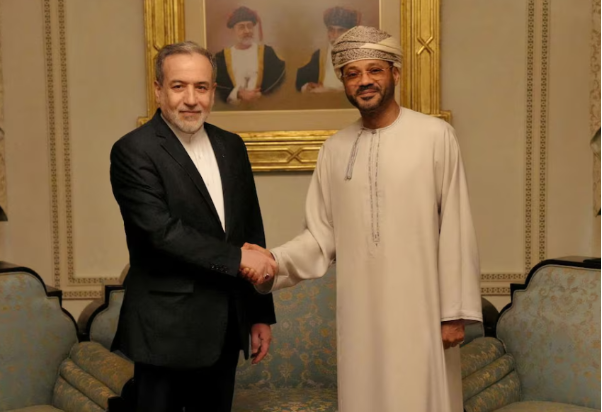
Iran and the United States have taken a tentative step toward renewed diplomacy, initiating high-stakes negotiations through Omani mediation aimed at resolving long-standing disagreements over Tehran’s nuclear programme. The talks, which began on Friday in the Omani capital Muscat, come at a time of heightened regional instability and carry significant implications for Middle East security.
According to an Iranian official quoted by Reuters, the negotiations had not formally commenced, though Iran’s core demands were already conveyed to Washington through Oman. The official indicated that indirect talks could begin after a meeting between the chief U.S. negotiator and Oman’s foreign minister, reflecting a familiar “shuttle diplomacy” model used in previous Iran–U.S. engagements. This indirect format underscores the deep mistrust that continues to define relations between Tehran and Washington.
While both sides have publicly signaled a willingness to revive diplomacy over Iran’s nuclear activities, sharp differences remain over the scope of the talks. Washington has expressed interest in broadening the agenda beyond the nuclear file to include Iran’s ballistic missile programme, its support for armed groups across the region, and domestic human rights concerns. U.S. Secretary of State Marco Rubio recently reiterated that any sustainable agreement must address these wider issues.
Iran, however, has pushed back strongly against such an expansion. An Iranian diplomatic source warned that any involvement of the U.S. military, particularly CENTCOM or regional military officials, could jeopardize the fragile process. Tehran has insisted that the discussions remain strictly focused on nuclear matters, arguing that introducing security and political issues would derail progress.
Iran has proposed that its Foreign Minister, Abbas Araqchi, engage solely on the nuclear dossier with U.S. Middle East envoy Steve Witkoff. The talks are being closely watched internationally, given the risk that failure could escalate tensions and potentially ignite another conflict in the Middle East. Adding another layer of complexity, Jared Kushner, the son-in-law of former U.S. President Donald Trump and a key figure in past Middle East mediation efforts, is also expected to participate in the discussions.