


Blurb:
Renewed clashes in eastern Congo’s highlands are escalating quietly, complicating peace efforts and widening an already volatile conflict.
Congo
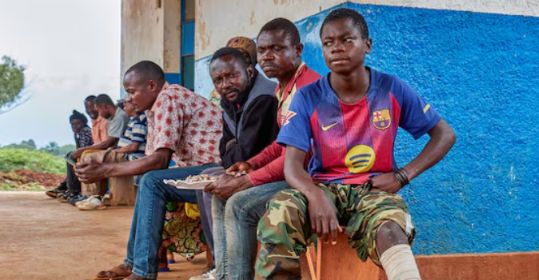
At the general hospital in Fizi, a remote town surrounded by steep highlands in eastern Congo’s South Kivu province, nurses rushed to save a wounded soldier’s life after he was delivered to the emergency ward on the back of a motorbike. Slumped and bleeding, the soldier had been shot in both legs while fighting on the mountainous front lines north of the town, where violence has surged sharply in recent weeks.
The fighting pits Congo’s national army against multiple rebel factions operating in the rugged terrain of eastern Democratic Republic of Congo. These clashes, occurring far from major cities and largely outside the spotlight of international diplomacy, are steadily intensifying. According to local and security sources, more fighters and equipment are being deployed by all sides, raising fears that the conflict could spread further across the region.
The violence is unfolding in South Kivu, a region that has long been a flashpoint in Congo’s decades-old conflict. However, recent escalations carry broader geopolitical implications. Analysts warn that the renewed fighting risks undermining efforts by the Trump administration to stabilize eastern Congo as part of a strategy aimed at encouraging Western investment in the region’s vast mineral resources, including cobalt and lithium.
Earlier this week, the AFC/M23 rebel group cited the clashes in South Kivu as justification for a drone attack on Kisangani airport, located hundreds of kilometres from the active front lines. The group described the strike as retaliation for alleged government aerial bombardments of villages in South Kivu, accusing the army of targeting civilian areas during operations against rebels.
Congo’s military has so far not commented publicly on the drone strike or on the rebels’ claims that government forces carried out air attacks on villages. The lack of official response has fueled uncertainty and concern among humanitarian groups, who warn that civilians in isolated mountain communities are increasingly vulnerable as fighting intensifies beyond the reach of aid agencies.