


CH NEWS, BENGALURU
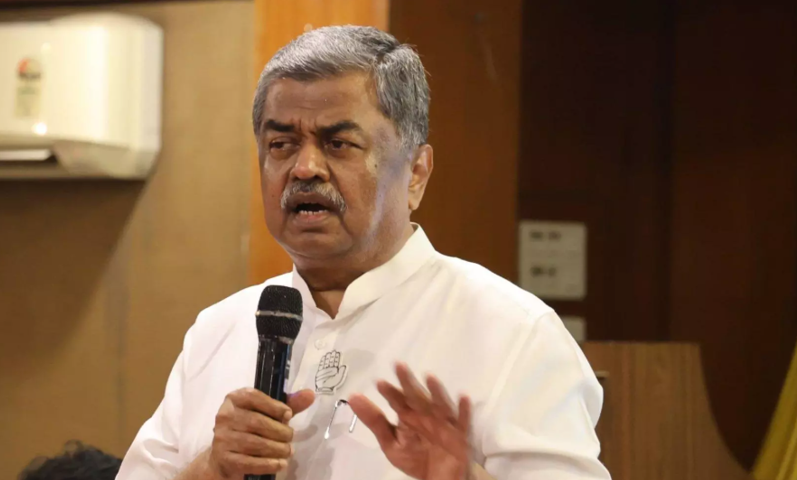
KPCC president B.K. Hariprasad compared the RSS with Jaish-e-Mohammed and Taliban, triggering a political controversy over registration and patriotism.
Addressing a press conference in Bengaluru on Monday, Hariprasad said there was “no difference” between the three organisations because, according to him, none was registered in India.
“There is no difference between Jaish-e-Mohammed, Taliban, and RSS because all three are not registered in India,” Hariprasad said.
His remarks came amid a political row over the RSS’s legal status and the controversy surrounding the rendition of Vande Mataram during Independence Day celebrations. An FIR has been registered against Congress leaders Sonia Gandhi and Rahul Gandhi over alleged disruption during the national song.
Hariprasad also backed Kerala Vice-Chancellor Mohanan Kunnummal’s criticism of the RSS, claiming the organisation did not sing Vande Mataram or the national anthem or hoist the national flag.
The issue of RSS registration gained political traction after BJP national general secretary (organisation) B.L. Santhosh said the organisation had functioned since 1925 without statutory registration and did not require it.
Karnataka Home Minister Priyank Kharge has separately questioned the legal and financial accountability of the RSS, asking under which law it operates, who owns its properties and in whose names its bank accounts and donations are maintained.
Kharge also criticised the BJP, ABVP and RSS, saying the Congress did not require certificates of patriotism from them.
“There is no difference between Jaish-e-Mohammed, Taliban, and RSS because all three are not registered in India.” BK Hariprasad, KPCC president
Political row
- Speaker: B.K. Hariprasad
- Organisations named: RSS, Jaish-e-Mohammed, Taliban
- Key issue: RSS registration
- Related controversy: Vande Mataram
- Congress leaders named in FIR: Sonia Gandhi, Rahul Gandhi
Kharge questions RSS accountability
Home Minister Priyank Kharge has demanded clarity on the RSS’s legal and financial status. He questioned under which law the organisation operates, who owns its properties and how its bank accounts and donations are managed. Kharge also sought details of audited accounts and tax filings, arguing that greater influence should come with greater public accountability. The RSS has maintained that statutory registration is not required for its functioning.