


NEW DELHI
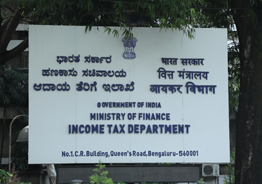
India is waving goodbye to its 65-year-old tax law. Starting April 1, 2026, the new Income Tax Act will take over, promising a system that is much easier for the common person to understand. The goal is to cut through the confusion and make filing taxes a smoother experience for everyone.
One of the biggest changes is the end of confusing terms like “assessment year.” From now on, there will be just one “tax year.” Deadlines have also been refreshed; while salaried workers still need to file by July 31, self-employed professionals now have until August 31. If you make a mistake, you can fix your return until the following March, though waiting too long might cost a small fee.
The new rules bring a mix of treats and tighter checks. Families will benefit from higher tax-free limits on children’s education and meal allowances. People living in cities like Bengaluru and Pune can also claim more for house rent. However, the government is asking for more details about landlords to prevent fraud, and trading in stocks (specifically futures and options) will become more expensive.
For those traveling or studying abroad, there is good news: taxes on foreign tours and tuition payments have been lowered. Additionally, the process for buying property from non-residents has been simplified. Overall, these reforms aim to create a fairer system where paying taxes feels less like a burden and more like a simple civic duty.