


Intro:
Lawmakers seek strict action, property attachment, stronger enforcement.
Jammu
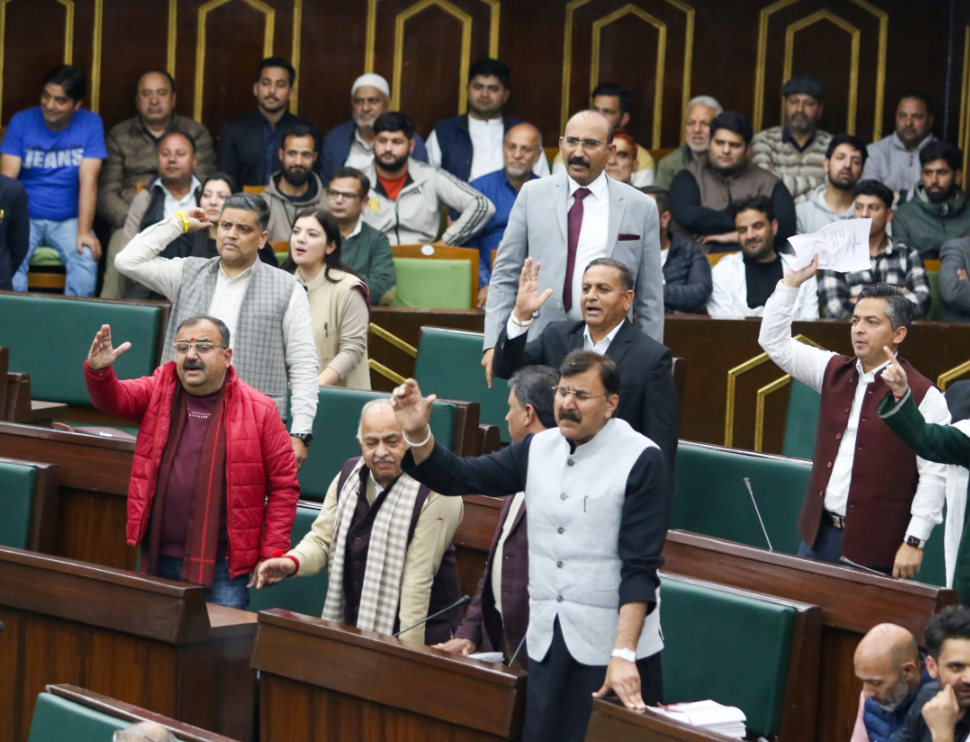
Several legislators in Jammu and Kashmir on Friday demanded stringent action against those involved in the illegal trade of rotten meat, including the attachment of properties to deter offenders. The issue was raised in the Assembly amid growing public concern over food safety and rising health risks.
Members of the Jammu & Kashmir National Conference (NC), including MLAs Mubarak Gul, Mir Saifullah, Pirzada Farooq Ahmad Shah, and Hasnain Masoodi, pressed for strict enforcement and preventive measures while raising questions related to food adulteration and the sale of spoiled meat. They voiced serious concern over increasing health complications and alleged that the consumption of contaminated food could be contributing to the rise in cancer cases and frequent disease outbreaks.
Mubarak Gul urged authorities to track down individuals engaged in the illegal trade and attach their properties as a strong deterrent. He stressed that exemplary punishment would send a clear message and prevent recurrence of such activities.
Pirzada Farooq Ahmad Shah called for the establishment of slaughterhouses in every Municipal Committee to ensure hygienic meat processing and better regulatory oversight. He also sought a half-hour discussion in the House to deliberate comprehensively on the matter.
Other members emphasized the urgent need to strengthen manpower within enforcement agencies, improve inspection mechanisms, and introduce stricter monitoring systems to prevent similar incidents in the future.
Responding to the concerns, Health Minister Sakina Itoo acknowledged the shortage of staff in the department, admitting that manpower deficiency remains a significant challenge. She informed the House that the recruitment process to fill vacant posts has already been initiated, underlining that public health concerns cannot be taken lightly.
However, the minister clarified that under the Food Safety and Standards Act, 2006, Food Safety Officers are not empowered to make arrests. Their authority includes inspecting premises, collecting food samples, issuing improvement notices, suspending or cancelling licences, launching prosecutions, and filing complaints in courts. Arrest powers, she noted, rest solely with the police under the provisions of the Criminal Procedure Code.