


Blurb: Extreme temperatures and severe weather disruptions continue across Europe as authorities report rising deaths and widespread infrastructure damage.
Paris
Europe continued to endure an unprecedented heatwave on Sunday, with temperatures forecast to reach or exceed 40 degrees Celsius across several countries, while violent storms disrupted parts of France.
The prolonged spell of extreme heat has already claimed approximately 1,000 lives in France alone, with health officials warning that the death toll is expected to increase as additional reports from residential care facilities and private homes are compiled.
France’s public health agency confirmed that the majority of those who died during the heatwave were elderly individuals, highlighting the increased vulnerability of older populations during periods of prolonged extreme temperatures. Authorities urged residents to remain indoors during the hottest parts of the day, stay hydrated, and regularly check on elderly relatives and neighbours.
Scientists have described the current heatwave, which began on June 20, as the most severe ever recorded across Europe. The intense temperatures have disrupted electricity production, damaged transport infrastructure, strained healthcare systems, and placed enormous pressure on emergency services across the continent.
Climate researchers have attributed the extraordinary conditions to human-driven climate change, stating that the exceptionally high nighttime temperatures experienced during the past week would have been virtually impossible without global warming. According to scientists, climate change has made such extreme nighttime heat approximately one hundred times more likely than it would have been just two decades ago.
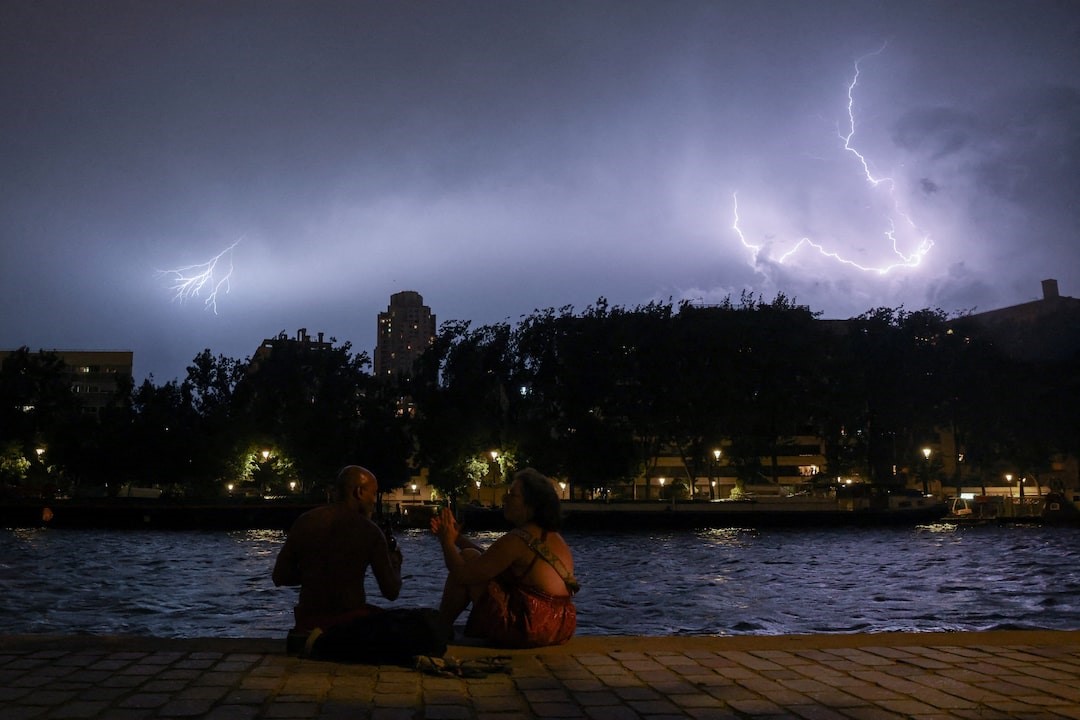
Forecasts indicated that temperatures would approach or surpass 40 degrees Celsius in Germany, Poland, and Italy. At the same time, severe thunderstorms swept across parts of France, causing further disruptions to transportation networks and electricity supplies. Emergency crews worked to restore damaged infrastructure while monitoring the risk of additional weather-related incidents.
Germany also experienced significant disruptions as railway services were reduced on a major line in the western state of North Rhine-Westphalia. Tram operations in the eastern city of Leipzig were suspended due to the extreme weather conditions. Local media reported that many residents chose to remain indoors throughout the day, venturing outside only after sunset to avoid the dangerous heat.
The heatwave has also placed immense pressure on Europe’s rivers, with declining water levels and rising temperatures affecting electricity generation, agriculture, and ecosystems. Hungary announced that the Paks nuclear power plant may once again reduce electricity production because the Danube River, which supplies cooling water to the facility, had become excessively warm.
In Italy, water levels in the Po River have fallen dramatically, allowing seawater to move nearly 18 kilometres inland. Experts warned that the intrusion threatens agricultural land and environmentally protected wetlands in the river delta, raising concerns over crop losses and long-term ecological damage.
The dangerous conditions have also contributed to numerous drowning incidents as people sought relief from the extreme temperatures by swimming in lakes, rivers, and coastal waters. In one high-profile incident, rescue teams in Italy continued searching for the husband of cabinet minister Eugenia Roccella, who disappeared while swimming in Lake Vico, located about 70 kilometres north of Rome.