


Chennai
The Sports Authority of India has recorded 33 complaints of sexual harassment against its staff and coaches over the past decade, the government informed Parliament, highlighting concerns over athlete safety and institutional accountability.
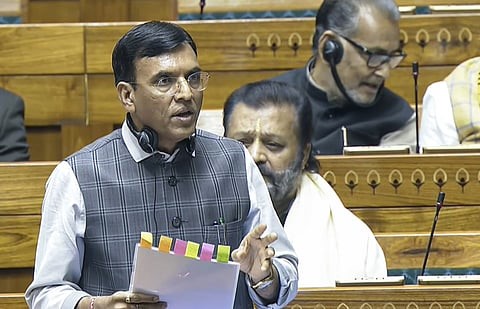
Responding to questions in the Lok Sabha, Union Sports Minister Mansukh Mandaviya said that eight complaints were filed against administrative staff, while 25 cases involved coaches during the last ten years. The data was shared following queries raised by Members of Parliament seeking details on complaints across sports institutions.
According to the ministry, disciplinary action varied across cases. Among administrative staff, one individual faced a major penalty involving permanent withholding of full gratuity under pension rules, while the remaining cases were closed without punitive action. No complaints were reported against officials directly under the sports ministry.
In contrast, action against coaches was more stringent. Two coaches were terminated, while six faced suspension. Additionally, six minor penalties were imposed. The ministry also noted that appeals were filed in eight cases involving coaches, either by complainants or the accused, indicating ongoing disputes over inquiry outcomes.
The issue of harassment in sports institutions has gained attention in recent years, with athletes increasingly coming forward to report misconduct. The government reiterated that safeguards are in place under the Sexual Harassment of Women at Workplace Act 2013, which mandates all recognised National Sports Federations to establish Internal Complaints Committees (ICCs) to address such grievances.
The ministry stated that all federations under its purview have complied with the requirement of setting up ICCs to ensure timely redressal of complaints and adherence to workplace safety norms.
Meanwhile, in a separate reply, the government said that a proposed scheme to promote sports goods manufacturing in India is yet to be finalised. The initiative aims to strengthen domestic production, foster innovation and enhance global competitiveness, but will be implemented only after consultations with stakeholders.
The disclosures underline the need for stronger monitoring mechanisms and preventive measures to ensure a safe environment for athletes and support staff across the country’s sporting ecosystem.