


Geneva
FIFA has announced the latest phase of ticket sales for the upcoming FIFA World Cup 2026, with remaining tickets set to be released on a first-come, first-served basis starting April 1.
The global governing body said more than one million tickets were sold during the previous sales window between December and February, reflecting massive demand for the tournament, which will run from June 11 to July 19 across co-hosts United States, Canada and Mexico.
According to FIFA, the new phase will allow fans to directly select specific seats, adding flexibility and transparency to the process. Additionally, those who have already purchased tickets will be able to view their allocated seating details beginning April 1.
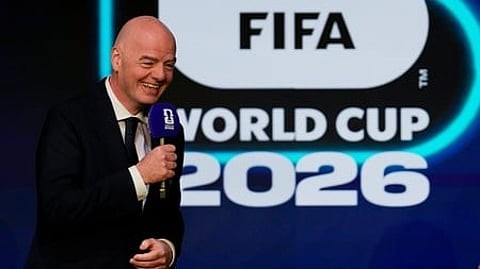
FIFA President Gianni Infantino earlier highlighted the unprecedented demand, famously stating that interest in tickets equated to “1,000 years of World Cups at once.” He also predicted that all 104 matches in the expanded tournament would be sold out.
However, the ticketing process has not been without controversy. FIFA has faced criticism over its pricing strategy, with fans and supporter groups raising concerns over affordability. Ticket prices initially ranged from $140 for group-stage matches to as high as $8,680 for the final, prompting backlash from sections of the football community.
Supporters’ organisations, including Football Supporters Europe, have formally complained about what they described as excessive pricing and the introduction of “dynamic pricing” for the first time in World Cup history. The group has joined forces with Euroconsumers to escalate the issue to the European Commission.
Critics argue that dynamic pricing could further inflate ticket costs depending on demand, making it harder for ordinary fans to attend matches. FIFA, however, maintains that the new system aims to manage high demand efficiently while maximizing access.
With anticipation continuing to build, the latest ticket release offers another opportunity for fans worldwide to secure a place at football’s biggest spectacle, even as debates over pricing and accessibility persist.