


Intro: The attack has sent shockwaves across Nigeria, highlighting the expanding reach of extremist violence beyond the country’s traditional conflict zones in the northeast.
Katsina
Nigeria’s President Bola Tinubu has ordered the deployment of a full army battalion to the Kaiama district following one of the deadliest attacks recorded in the region this year.
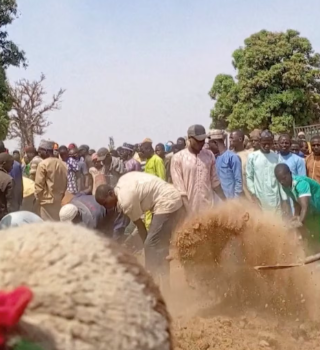
According to a statement released by his office on Thursday, suspected jihadist fighters carried out a coordinated overnight assault on Woro village, killing at least 170 people, including women and children.
The attack, which occurred late Tuesday night, has sent shockwaves across Nigeria, highlighting the expanding reach of extremist violence beyond the country’s traditional conflict zones in the northeast. Kwara State, which borders Niger, has increasingly become vulnerable due to its proximity to porous international borders and forested areas that armed groups exploit as hideouts.
Security sources said the attackers stormed Woro village under the cover of darkness, setting homes ablaze and opening fire on residents attempting to flee. Survivors described hours of chaos, with limited access to security forces until daylight. Local authorities confirmed that many victims were killed while trying to protect their families or escape the burning settlement.
The region has witnessed a sharp rise in violent incidents linked to Islamic State West Africa Province and allied armed groups. These factions have intensified attacks on rural communities, combining mass killings with kidnappings for ransom, cattle rustling, and forced displacement.
Analysts warn that central Nigeria is becoming a new frontline as militants shift tactics and geography under sustained military pressure in the northeast.
President Tinubu directed the military to restore order swiftly, protect vulnerable communities, and prevent further cross-border infiltration. The deployed battalion is expected to conduct clearance operations, secure key access routes, and support intelligence-led patrols in surrounding villages. Federal authorities also announced plans to coordinate with local vigilante groups and state officials to improve early-warning systems.