


Paris
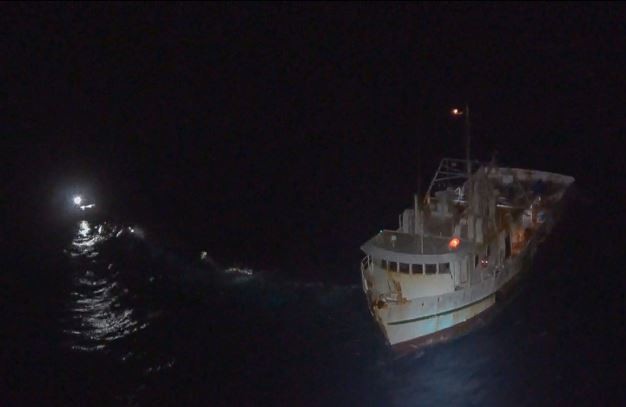
The French Navy has intercepted a vessel carrying a large quantity of cocaine in the Caribbean Sea and handed it over to authorities in Barbados, France’s Armed Forces Minister said on Thursday.
The operation comes as the United States and several partner nations step up coordinated efforts to curb the flow of illicit drugs across the Atlantic.
France’s Armed Forces Minister Catherine Vautrin announced the seizure in a post on the social media platform X, stating that approximately 678 kilograms of cocaine had been recovered during the maritime operation. The intercepted boat was subsequently transferred to Barbadian authorities for further legal proceedings, reflecting close cooperation between France and regional partners in the Caribbean.
According to defense officials, the interception was carried out during a routine maritime surveillance mission in waters frequently used by drug traffickers to move narcotics from South America toward North American and European markets. Such routes have long been exploited by criminal networks due to vast maritime пространства and limited monitoring capacity in some areas.
France has increasingly taken a frontline role in counter-narcotics operations in the Caribbean and Latin American regions, where it maintains overseas territories and permanent military assets. These include Guadeloupe and Martinique, which provide strategic bases for maritime patrols and intelligence-led operations. Officials say these deployments enable France to contribute not only to its own security, but also to wider regional stability.
In recent months, Paris has adopted a more aggressive policy toward drug trafficking, responding to a surge in cocaine consumption in Europe and rising levels of organized crime linked to the narcotics trade. Authorities argue that intercepting shipments at sea is crucial to disrupting supply chains before drugs reach urban centers, where they fuel violence, corruption, and public health crises.
The latest seizure highlights growing international cooperation in the fight against transnational crime. Joint operations involving European nations, Caribbean states, and U.S. agencies have led to a series of high-profile interceptions, as governments seek to tighten maritime surveillance and share intelligence more effectively.