


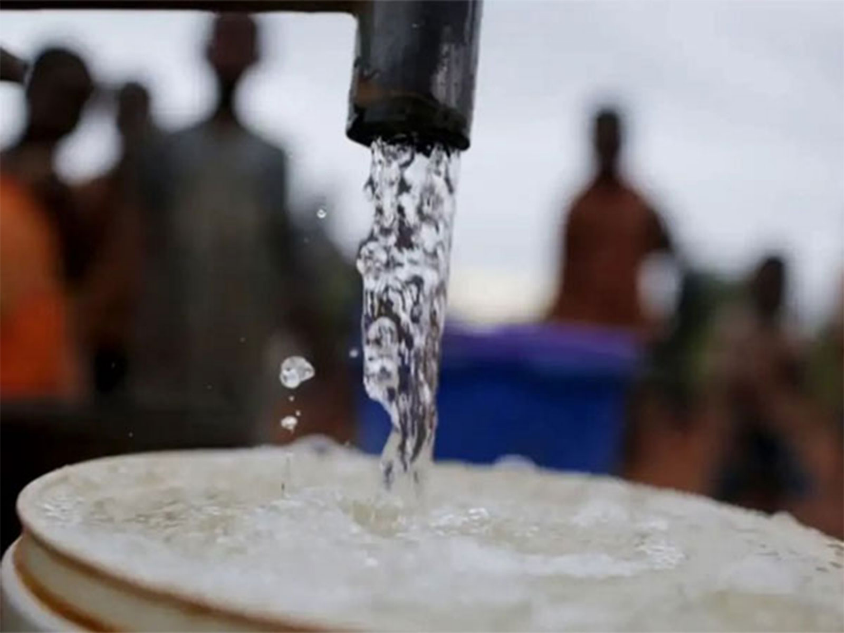
Water Crisis Pakistan
Islamabad
Only 47 per cent of Pakistan’s population has access to safe drinking water, experts warned at a seminar organised by the Pakistan Institute of Development Economics (PIDE) in Islamabad. The discussion highlighted the country’s worsening water-quality crisis and its serious impact on public health, economic productivity and sustainable development.
Speaking at the seminar titled “The Thirst for Safety: Water Quality and Public Health in Pakistan”, Dr Hifza Rasheed, Director General (Water Quality) at the Pakistan Council of Research in Water Resources (PCRWR), said Pakistan’s per capita freshwater availability has fallen sharply from 5,260 cubic metres in 1951 to below 1,000 cubic metres in 2024. This places the country among water-scarce nations.
Dr Rasheed and Dr Shujaat Farooq, Dean (Research) at PIDE, said unsafe drinking water is responsible for nearly 40 per cent of diseases nationwide. They stressed the need for urgent, coordinated and climate-resilient reforms to secure Pakistan’s water future. Experts, researchers and students attending the event discussed how poor water quality is affecting health, productivity and long-term development.
Dr Farooq noted that despite Pakistan’s natural water resources, contamination, overuse and weak institutional coordination have made water insecurity a major public health challenge. Citing UNICEF data, he said nearly 70 per cent of households use contaminated water, leading to widespread illnesses such as diarrhoea, hepatitis and typhoid.
Dr Rasheed added that agriculture uses about 93 per cent of freshwater, yet irrigation efficiency remains below 40 per cent. She warned that unsafe water causes around 53,000 child deaths annually and contributes to high child stunting rates. Industrial waste, pesticides and untreated sewage remain major pollutants, while climate-related floods have further worsened contamination and disease risks.