


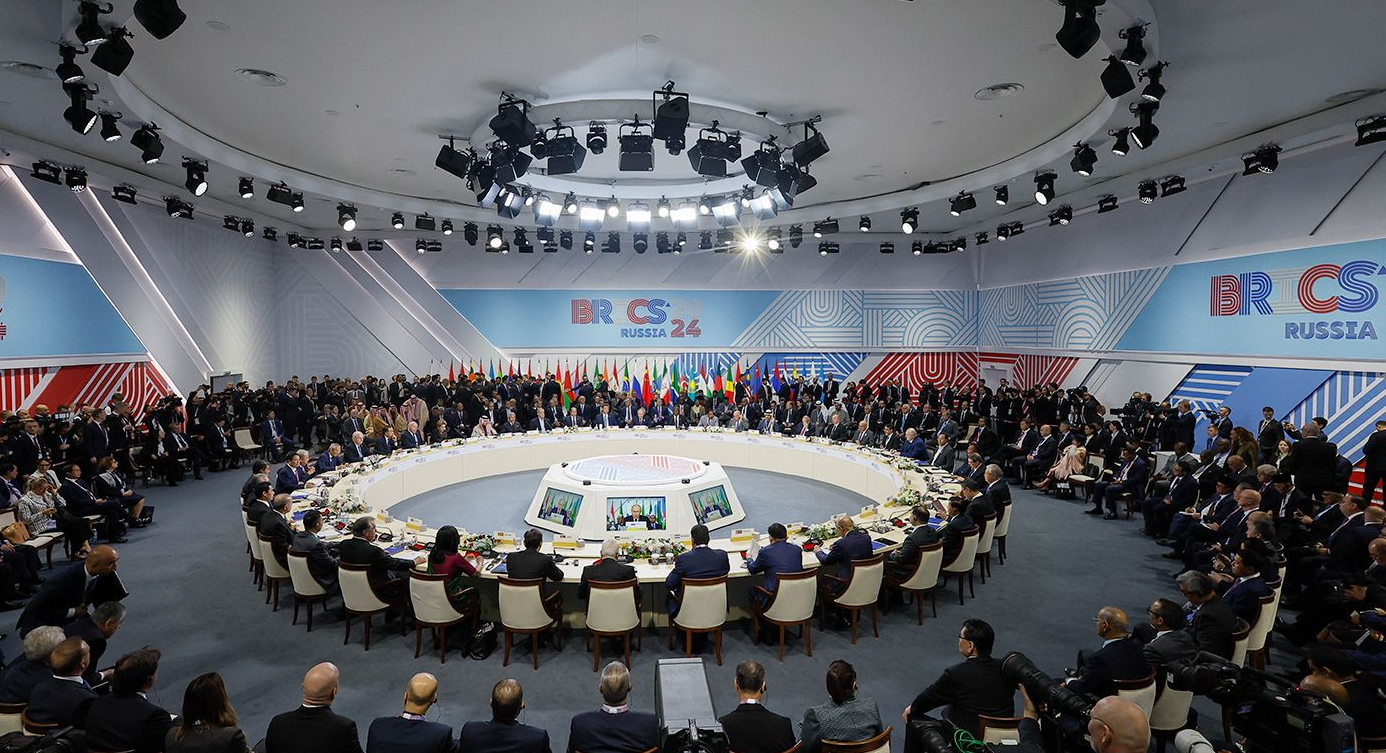
India navigates disputes by expanding BRICS involvement, engaging Global South, exploring new payments, and attracting global investors for manufacturing
NEW DELHI
A new report suggests that India may lean more heavily on BRICS and diversify its global partnerships as President Donald Trump’s second term reshapes long-standing ties between New Delhi and Washington. According to the report by One World Outlook, two decades of steady India–US engagement have been disrupted, pushing India to hedge its bets and expand cooperation with Russia and the broader Global South.
The findings say India may not break from the US outright, but its caution could show through missed defence deals, slower technology collaboration, and reluctance to take risks that support Washington’s strategic goals. The shift comes as American policymakers debate the consequences of President Trump’s tariff-heavy approach. Democratic Congresswoman Sydney Kamlager-Dove warned that the administration is causing “long-term damage” to a key alliance, arguing that the gains built under the previous administration—through the Quad, defence tech programs and supply-chain initiatives—are being undone.
Analysts quoted in the report noted that several years of gradual progress have slipped into a cycle of disputes and political bargaining. In response, India is expanding its role within BRICS, engaging more actively with Global South platforms, and exploring alternative payment systems. It is also courting investors from Europe, Japan and the Middle East as it positions itself as a global manufacturing hub.
The report warns that New Delhi may increasingly view the US as just one partner among many, especially if economic engagement continues to be framed as pressure rather than partnership. Recently imposed US tariffs—an additional 25 percent on Indian goods—have already hit labour-intensive sectors like textiles, footwear and jewellery. Analysts also cited concerns about possible secondary sanctions tied to India’s defence and energy ties with Russia, which they say fuel mistrust over India’s strategic autonomy.