


Blurb: Iran and the US concluded indirect negotiations without major breakthroughs while addressing technical issues following their ceasefire agreement.
Doha
Iran and the United States concluded another round of indirect diplomatic talks in Doha without reaching any significant breakthrough toward a long-term peace agreement.
While officials described the discussions as constructive, negotiators primarily focused on implementing elements of an interim agreement announced two weeks ago rather than resolving broader disputes between the two countries.
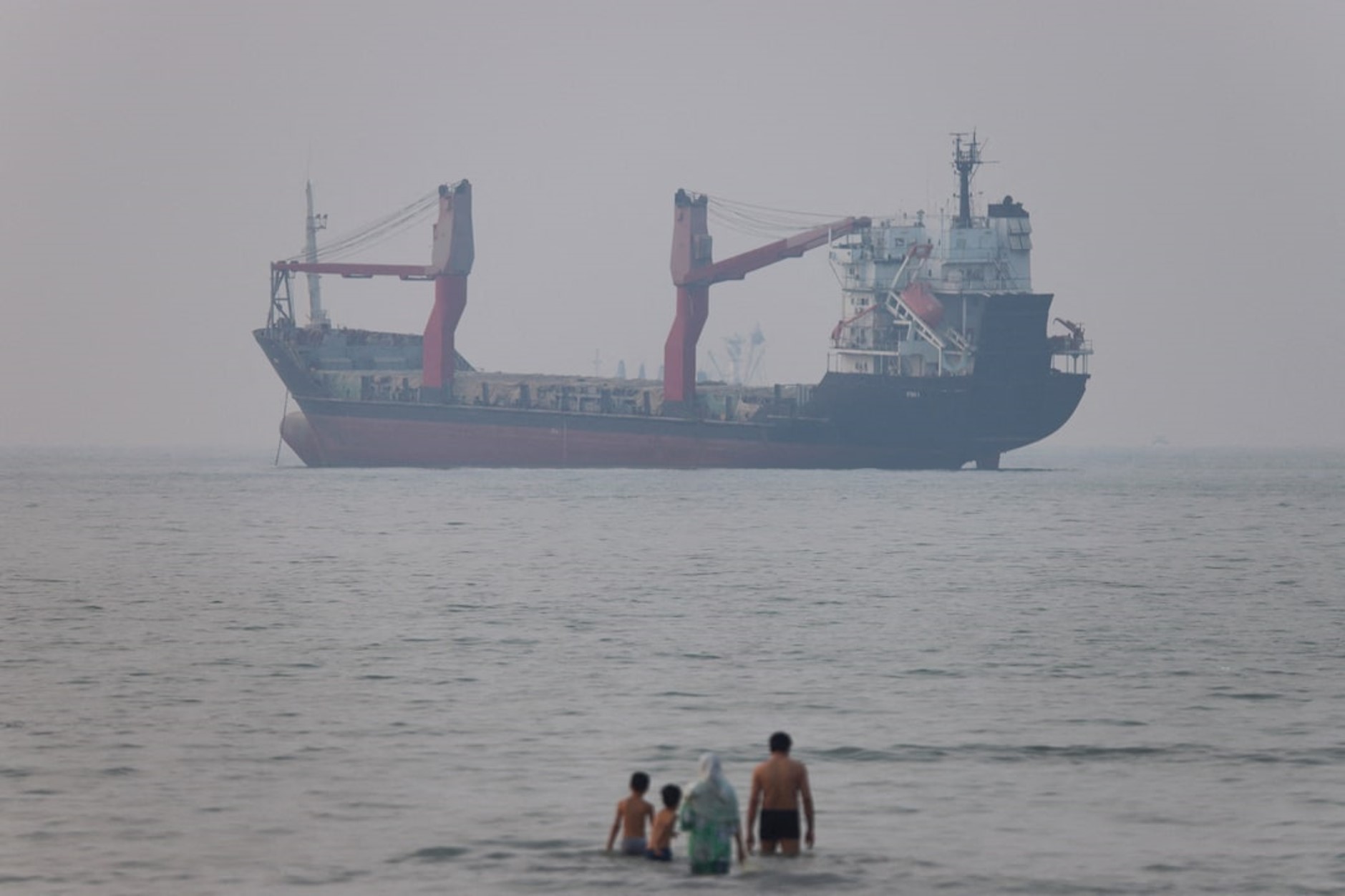
According to sources familiar with the negotiations, representatives from both nations spent two days discussing maritime traffic through the strategically important Strait of Hormuz and the release of frozen Iranian financial assets. These issues formed key components of the earlier interim understanding that helped halt hostilities in June. Officials indicated that the discussions remained technical in nature and were aimed at strengthening the implementation of previously agreed measures.
Qatar’s Foreign Ministry confirmed that another round of indirect negotiations would take place after the funeral ceremonies for Iran’s late Supreme Leader Ayatollah Ali Khamenei, who is scheduled to be buried on July 9. The ministry stated that the latest discussions achieved positive progress on matters connected to the memorandum that ended the fighting and continued to build upon understandings reached during an earlier summit held in Switzerland.
Despite the optimistic statements from mediators, there were differing public messages regarding the status of negotiations over Iran’s nuclear program. Speaking in Washington, United States President Donald Trump said that discussions concerning possible limits on Iran’s nuclear activities were progressing well. He expressed confidence that recent meetings had been productive and suggested that further developments could follow in the coming weeks.
However, individuals familiar with the Doha negotiations said that Iran’s nuclear program was not part of the agenda during the latest sessions. They explained that the meetings focused exclusively on technical and logistical matters related to the ceasefire framework rather than broader strategic or security concerns.
United States Vice President JD Vance acknowledged that nuclear negotiations remain a priority but indicated they would be addressed during future rounds of dialogue. He said both sides remain concerned about the issue and expect formal discussions on nuclear matters to begin at a later stage of the diplomatic process.
The talks continued through indirect communication, with American and Iranian delegations holding separate meetings while Qatari and Pakistani mediators carried messages between them. This format has allowed both governments to maintain diplomatic engagement despite the absence of direct negotiations.
Notably, senior American representatives, including presidential envoy Steve Witkoff and presidential adviser Jared Kushner, did not participate in the Doha meetings despite earlier expectations that high-level officials would attend. Their absence suggested that the latest discussions were intended to resolve technical aspects of the interim agreement rather than negotiate major political decisions.