


The Memory Bottleneck
SEOUL
A critical global shortage of memory chips is reshaping the smartphone industry, creating a sharp divide between tech giants and their Chinese rivals.
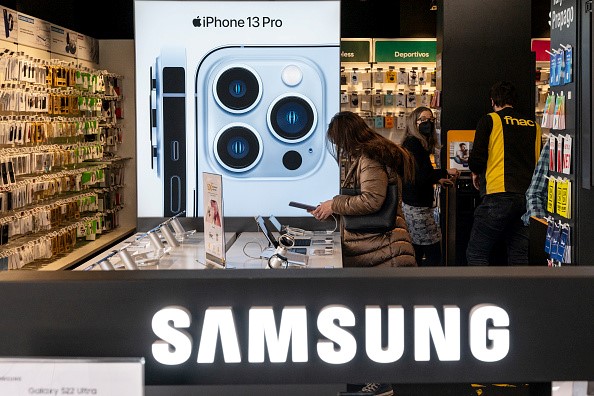
While the overall market saw a 4.1% decline in shipments during the first quarter, Samsung and Apple have emerged as the only major players to post year-on-year growth, leveraging their massive supply chain influence to navigate the crisis.
The bottleneck centers on Low-Power DRAM (LPDDR), a vital component for mobile devices. Demand for these chips has skyrocketed as AI leader Nvidia hoards supply for its next-generation “Vera Rubin” GPU platforms. This competition has sent prices soaring, leaving manufacturers with a difficult choice, pay a premium or face production stalls.
Market standings (Q1 2026)
| Brand | Shipments (Millions) | Market share |
| Samsung | 62.8 | 21.7% |
| Apple | 61.1 | 19.6% |
| Broad Market | 289.7 | -4.1% (YoY) |
Industry analysts point out that Samsung and Apple are uniquely positioned to survive this “chip crunch.” Apple uses its “financial firepower” to lock in supply through massive prepayments, while Samsung relies on internal coordination between its chip-making and phone-making divisions.
In contrast, Chinese vendors like Xiaomi, Oppo, and Vivo are losing ground. Xiaomi alone saw shipments drop by 8 million units this quarter. These companies, which rely heavily on budget and mid-range models, cannot easily pass rising component costs onto consumers without losing sales volume.
The outlook for the rest of the year remains grim. Reports predicts the shortage will drag global shipments down to 1.12 billion units, the lowest level since 2013. Experts believe this represents a permanent shift in the industry, where design and camera quality once determined a phone’s success, the ability to reliably secure core components has now become the ultimate competitive advantage. Market stabilization is not expected until at least late 2027.