


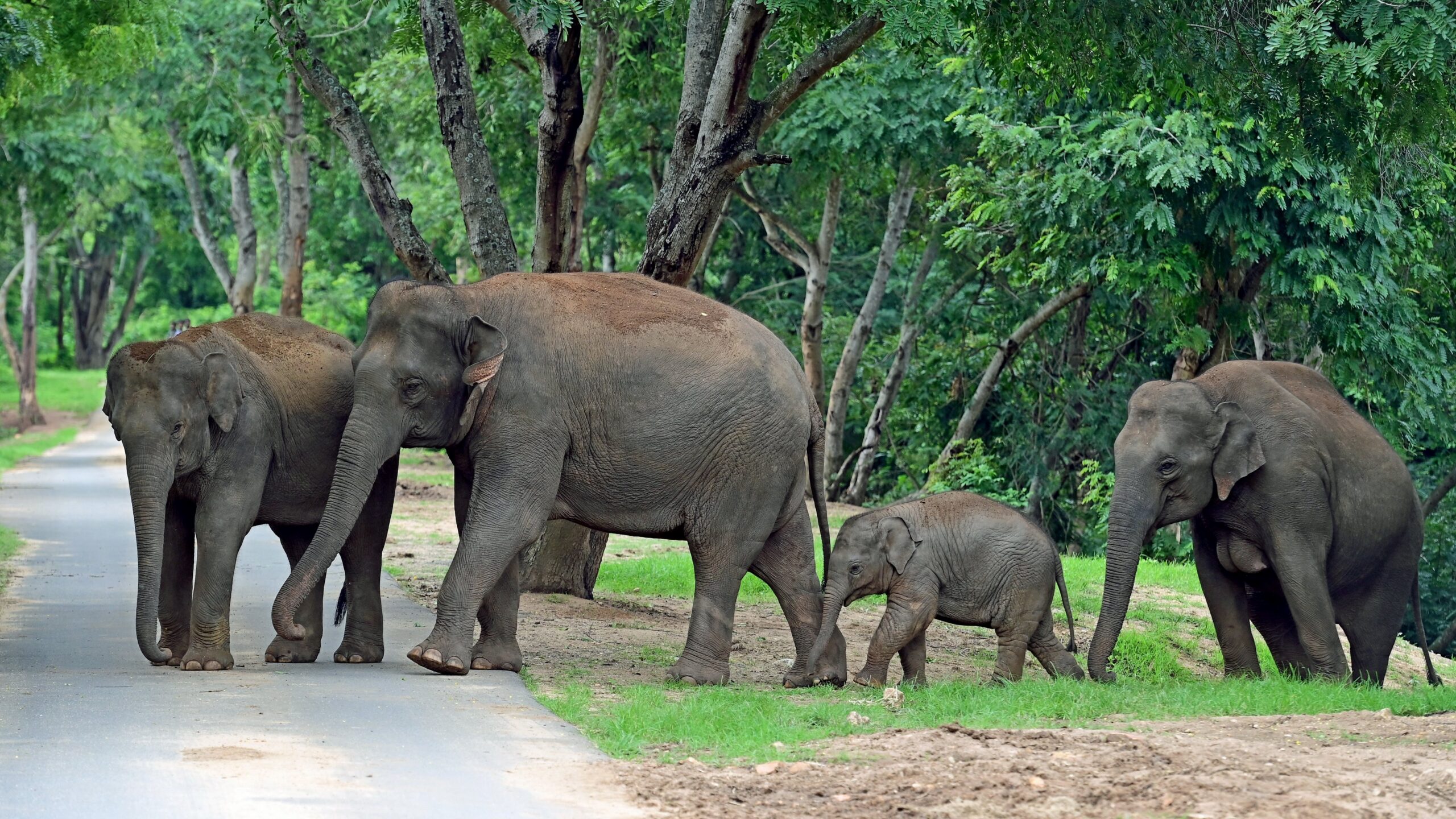
The CEC noted BNP and sanctuaries form a 3,000 sq km forest with elephant corridors, requiring ESZ inclusion
Bengaluru
In a major setback for the Karnataka government, the Central Empowered Committee (CEC) has recommended that the 2020 notification reducing the eco-sensitive zone (ESZ) around Bannerghatta National Park (BNP) be withdrawn and the larger ESZ proposed in 2016 be restored within six months. The report follows a petition filed by KB Belliappa and others challenging the reduction of the ESZ near the park boundary.
The petitioners noted that while the 2017 draft proposed an ESZ ranging from 100 metres to 4.5 km from the BNP boundary, the 2020 notification reduced it to 100 metres–1 km. This shrank the ESZ from 268.96 sq km to 168.84 sq km, removing protection for about 100 sq km of buffer land. The reduction reportedly led to large-scale commercialization, including the proliferation of resorts and unchecked stone mining near the park. Farmers also claimed they were pressured to sell lands for layouts.
The CEC emphasized that BNP, along with three wildlife sanctuaries in Karnataka and Tamil Nadu, forms a contiguous forest of about 3,000 sq km, hosting around 100 elephants seasonally. It has three critical elephant corridors—Karadikkal-Madeshwara, Tali-Bilikal, and Bilikal-Jowlagiri—that are vital for wildlife movement. According to 2011 MoEF guidelines, revenue areas that fall within wildlife corridors must be included in the ESZ.
The committee also noted procedural lapses, stating that the ESZ reduction was approved by a Cabinet sub-committee rather than the designated expert committee, violating guidelines. It urged the Ministry of Environment, Forest and Climate Change (MoEF&CC) to restore the ESZ fully to 268.96 sq km and complete the renotification process within six months.
Environmentalist Kiran Urs criticized the government for ignoring ESZ guidelines, saying, “The damage to the 4.5 km buffer zone must be assessed, and the entire landscape restored to prevent further harm and wildlife conflicts.” The CEC stressed that urban or peri-urban development cannot justify curtailing the ESZ, as doing so would disrupt habitat continuity and defeat its purpose.