


Uganda imposed sweeping media restrictions as election tensions rise, with President Museveni seeking to extend his decades-long rule.
Kampala
Uganda’s government on Monday announced a ban on live broadcasts and streaming of riots, unlawful processions, and other violent incidents ahead of the country’s January 15 presidential election, drawing concern from opposition groups and human rights organisations. The directive was issued as Yoweri Museveni, 81, seeks to extend his nearly four-decade grip on power.
In a statement, the Ministry of Information, Communication and Technology said live coverage of such events was prohibited because it could escalate tensions and spread panic. Authorities also barred the dissemination of content described as inciting, hateful or violent. In Uganda, critics note that officials frequently label anti-government demonstrations as riots, raising fears that the new restrictions could further limit independent reporting and political expression.
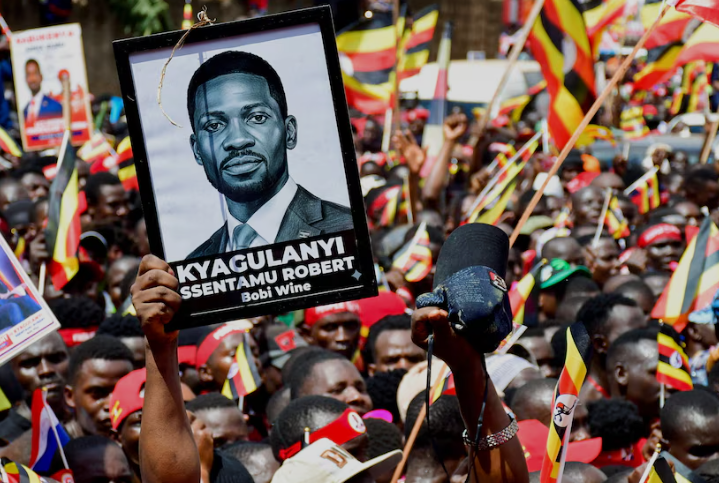
The election will once again pit Museveni against his most prominent challenger, Bobi Wine, a 43-year-old pop-star-turned politician who has emerged as a symbol of youth-led opposition. In the weeks leading up to the vote, security forces have detained hundreds of opposition supporters, according to rights groups and local activists.
Uganda’s last election in 2021 was marred by violence, with more than 50 people killed during crackdowns by security forces on Wine’s supporters. At the time, the opposition accused Museveni of rigging the polls, allegations the president firmly denied. Museveni, who came to power in 1986 after leading a five-year rebellion, is Africa’s third-longest-ruling head of state.
Human rights organisations have raised fresh alarms. Amnesty International said on Monday that Ugandan security forces had launched a brutal campaign of repression in the run-up to the election, accusing them of arbitrary arrests, beatings, and torture of opposition supporters. The government has repeatedly denied such allegations, insisting security agencies act within the law to maintain order.
Political tensions are further heightened by the continued detention of veteran opposition figure Kizza Besigye, who has remained in prison for more than a year on treason charges, which he denies.