


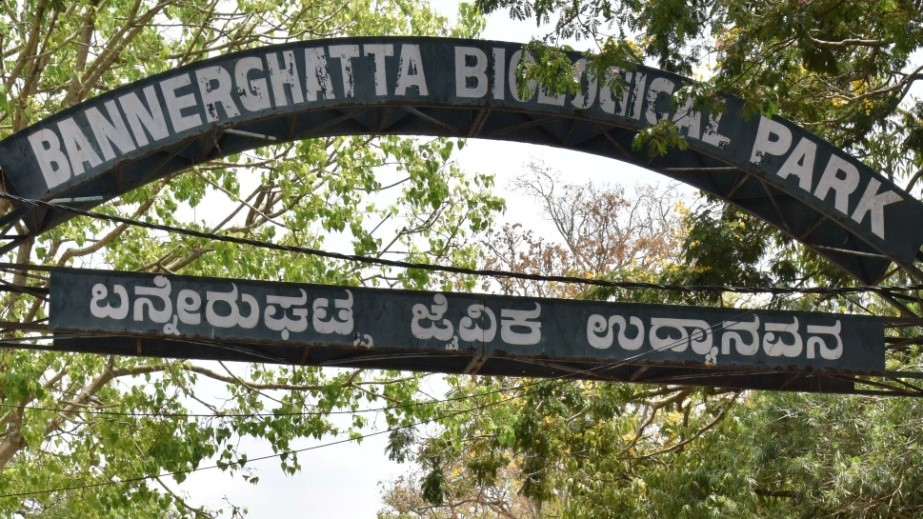
A combination of infrastructure projects and the reduction of its Eco-Sensitive Zone were severely fragmenting South India’s wildlife corridors
BENGALURU
Environmental and wildlife activists have demanded urgent measures to protect Bannerghatta National Park (BNP), citing multiple threats to its ecological integrity. At a press conference organised by the Bannerghatta Nature Conservation Trust (BNCT), speakers highlighted that BNP serves as a vital corridor connecting the Western and Eastern Ghats, including the Mysore Elephant Reserve, Cauvery Wildlife Sanctuary, and Bandipur National Park.
Wildlife photographer Kiran Urs emphasised the park’s role in enabling the movement and genetic exchange of species such as elephants and tigers. “Destroying these corridors due to urbanisation and infrastructure projects threatens wildlife movement and exacerbates human-wildlife conflict,” Urs said.
Activist Bhanuprakash raised concerns over the 2018 Central government notification that reduced BNP’s Eco-Sensitive Zone from 268.9 sq km to 168.84 sq km, allegedly opening previously protected buffer zones to mining and commercial activities.
Compounding the issue is the ongoing construction of the National Highways Authority of India’s six-lane elevated flyover, part of the Satellite Town Ring Road project, which cuts across 3.85 km of the park’s core and buffer zones. Critics argue that mitigation measures such as sound barriers and underpasses are inadequate.
BNCT founder Vishnu Narain also opposed plans for a new airport near the Bannerghatta-Kanakapura belt adjacent to the Eco-Sensitive Zone, calling it an unsustainable development model. Activists urged authorities to reconsider development plans and implement stronger conservation measures to safeguard one of South India’s most critical wildlife corridors.