


KATHMANDU
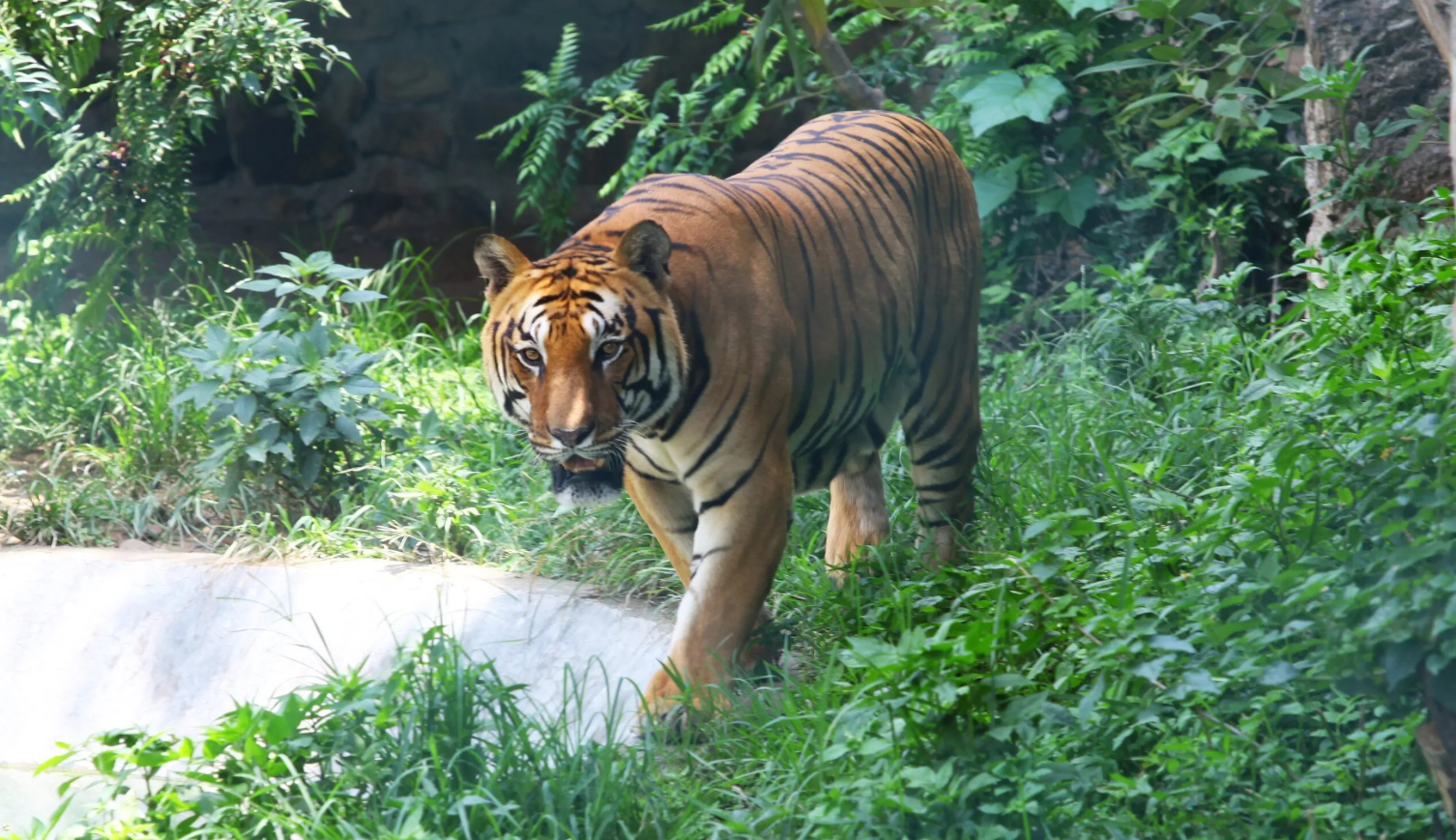
Nepal is celebrating a major win for wildlife conservation. The country has officially announced that its tiger population has climbed to 429 in 2026. This is a massive jump from just 121 tigers back in 2009 and 355 in 2022.
The Ministry of Agriculture, Forests and Environment shared this exciting news on World Tiger Day. Officials noted that the steady growth is tied to expanding green spaces. Over the years, Nepal grew its forest cover from 29 percent to more than 46 percent, giving these majestic big cats plenty of room to roam and thrive safely.
Experts used modern tech to track the animals. Teams set up around 1,100 automatic cameras across nearly 1,900 spots. Because every tiger has unique stripes like a human fingerprint, specialists could count them accurately. The Chitwan-Parsa landscape recorded the highest number, home to 145 tigers, while Bardiya National Park shelters another 112.
Despite this great success, officials warn that new problems are rising. More tigers mean more close calls with local villagers living near the forests. To protect people and animals alike, the government is planning to build Nepal’s very first Tiger Sanctuary in Chitwan. This special safe space will span 52 hectares and take care of injured or problematic tigers that cannot hunt in the wild anymore.
Conservationists are proud of how far the nation has come. By keeping habitats healthy and safe, Nepal continues to stand out as a global leader in protecting endangered wildlife for future generations.
BOX
Factors which led to growth
- Historic growth: Nepal’s tiger count climbed from 355 in 2022 to 429 today, proving the nation’s preservation strategies are working wonders.
- Expanding forests: This wildlife boom coincides with a massive jump in forest cover, which grew from 29 percent to over 46 percent.
- Top habitats: The Chitwan-Parsa landscape leads the nation with 145 tigers, while Bardiya National Park successfully houses 112 majestic big cats.
- Advanced tracking: Experts used around 1,100 automated camera traps and unique stripe-matching technology to accurately count and monitor individual animals.
Future sanctuaries: To handle rising human-wildlife friction, Nepal is planning its first special wildlife sanctua