


Intro
China’s rare earth mining operations have heavily poisoned the Mekong River with toxic heavy metals, causing catastrophic downstream destruction.
NEW DELHI
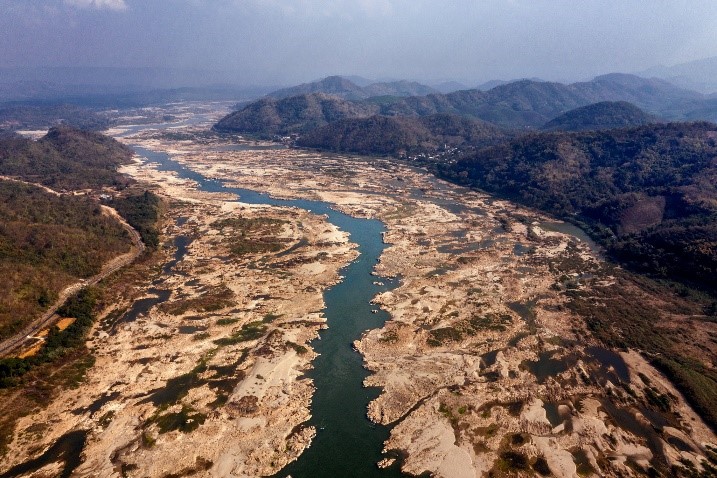
China’s highly lucrative rare earth industry is causing catastrophic environmental destruction downstream, heavily poisoning the vital Mekong River with dangerous heavy metals like arsenic. A detailed investigation reveals that while Beijing has strictly tightened ecological laws within its own borders, it has effectively outsourced its highly toxic mining operations into neighboring countries, devastating Southeast Asian ecosystems.
The sudden shift began following the 2021 military coup in Myanmar, which destabilized civilian rule and allowed armed ethnic militias to seize control of resource-rich border territories. Chinese commercial firms quickly struck profitable, direct deals with these heavily armed groups, including the United Wa State Army and the Kachin Independence Army. In Kachin State alone, the number of active, unregulated mining sites skyrocketed from roughly 130 in 2020 to well over 370 by the end of 2024, funding ongoing regional civil conflicts while completely bypassing environmental accountability.
By 2023, Myanmar was supplying over 60 percent of China’s heavy rare earth imports, which are vital components used globally to manufacture electric vehicle motors and wind turbines. Satellite imagery compiled by the U.S.-based Stimson Centre recently identified 833 unregulated mining operations sprawling across the upper Mekong River Basin, featuring 86 massive rare earth processing sites that utilize highly toxic blue tarpaulin leaching ponds. Tellingly, more than half of these destructive installations opened between 2024 and 2026.
The downstream impact has been immediate and terrifying. Official water testing conducted in early 2026 across Thailand’s northern Chiang Mai and Chiang Rai provinces confirmed that arsenic levels completely exceeded legal safety standards across all 23 monitored river sites for the first time in history. These persistent heavy metals including lead, cadmium, and manganese, are now settling deep into mainstream river sediment, contaminating local fish populations and poisoning regional agricultural staples like rice, garlic, and edamame. Regional regulatory bodies like the Mekong River Commission currently lack the legal authority to compel upstream policy changes, leaving millions of vulnerable downstream residents trapped in an escalating health crisis.