


London
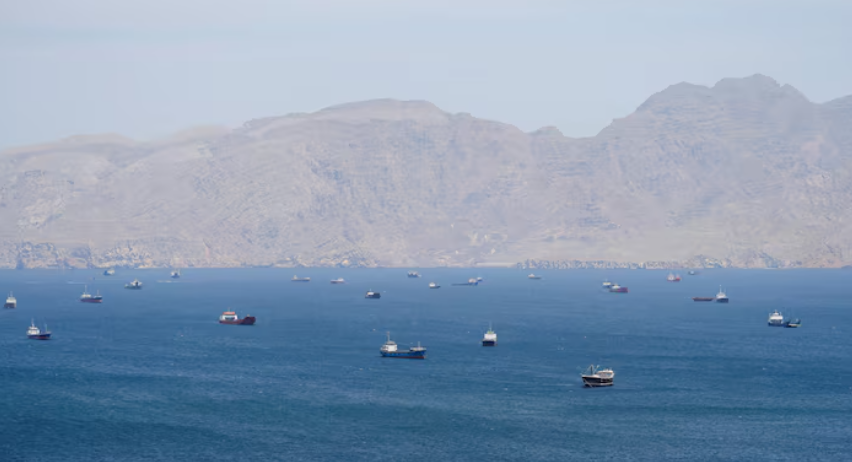
Shipping activity through the strategically vital Strait of Hormuz remains significantly reduced as tensions between the United States and Iran continue without resolution.
According to shipping data released on Monday, at least seven vessels, primarily dry bulk carriers, crossed the Strait of Hormuz in the past 24 hours. This figure is far below normal levels and highlights the continuing disruption caused by the standoff between Washington and Tehran. Before the conflict escalated in late February, the waterway typically saw an average of around 140 vessels passing through daily.
The recent ships included vessels departing from Iraqi ports, along with one dry bulk carrier originating from an Iranian port. Analysts tracking maritime movements using satellite data and shipping intelligence platforms noted that activity has remained subdued for several days, reflecting caution among global shipping operators amid security concerns.
The slowdown comes as diplomatic negotiations between the United States and Iran remain at an impasse. With both sides yet to reach a breakthrough, uncertainty continues to affect global energy supply chains and maritime trade routes. The Strait of Hormuz, a narrow passage connecting the Persian Gulf to international waters, is one of the world’s most critical corridors for oil transportation, making any disruption particularly significant for global markets.
The United States Central Command reported that it has redirected 37 vessels since a blockade targeting Iranian oil shipments was imposed earlier in April. The move is part of broader efforts to enforce restrictions and maintain security in the region.
Meanwhile, satellite tracking data revealed that six Iranian oil tankers recently returned to domestic ports before re-entering the Strait, carrying approximately 10.5 million barrels of crude oil. In a separate development, around four million barrels of Iranian oil were reported to have passed through the blockade on April 24, indicating that some shipments continue despite restrictions.
The sharp decline in shipping traffic underscores the fragile situation in the region. As long as diplomatic efforts remain stalled, maritime activity is expected to stay limited, with global markets closely monitoring any developments that could either escalate tensions or pave the way for renewed stability.