


New Delhi
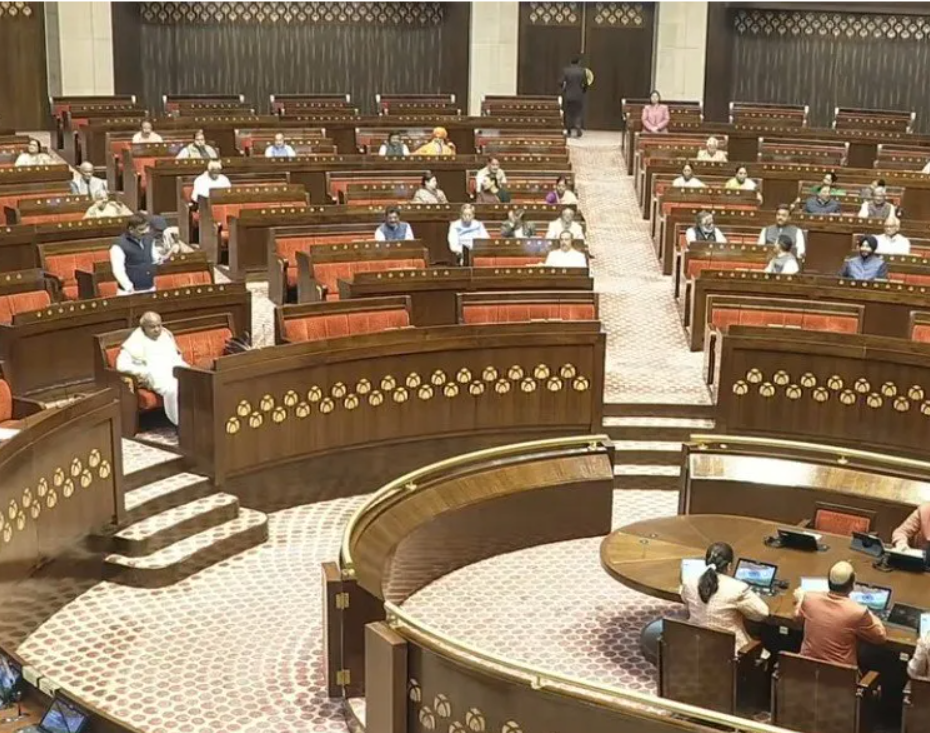
Trinamool Congress leader and Rajya Sabha Member of Parliament Derek O’Brien has proposed a sweeping reform aimed at addressing India’s deepening crisis of low wages and working poverty. Speaking during Zero Hour in the Upper House, O’Brien called for the introduction of a Universal Minimum Annual National Guarantee, or UMANG, that would establish a legally enforceable wage floor for workers across all sectors.
Highlighting worrying employment trends, O’Brien pointed out that one in three young Indians today is neither in employment, education, nor training. This growing segment of disengaged youth reflects structural weaknesses in the economy and signals missed opportunities for demographic advantage. Even among those who are employed, he noted, a large number lack the protection of a guaranteed minimum wage, leaving them vulnerable to exploitation and financial instability.
O’Brien emphasized that the national daily wage has remained largely stagnant at approximately ₹176 for nearly a decade. Such prolonged stagnation, he argued, has severely undermined workers’ purchasing power. Low wages not only restrict household consumption but also trap families in cycles of working poverty, where employment does not necessarily translate into economic security.
According to the Trinamool Congress leader, depressed consumption levels have broader macroeconomic consequences. When wages remain low, demand in the economy weakens, slowing growth and limiting opportunities for businesses to expand. He stressed that improving wage security would strengthen household well-being while simultaneously boosting overall economic momentum.
To address these challenges, O’Brien proposed UMANG as a universal, legally binding minimum wage applicable across sectors, industries, and employment categories. The proposed framework would cover gig workers, contract labourers, and informal sector employees, irrespective of workplace location. By establishing a single national wage threshold, UMANG aims to ensure that no worker earns below a defined basic standard of income.
O’Brien described UMANG as a bold but necessary intervention to protect workers’ dignity and guarantee fair compensation in a rapidly changing labour market.