


CH NEWS, BENGALURU
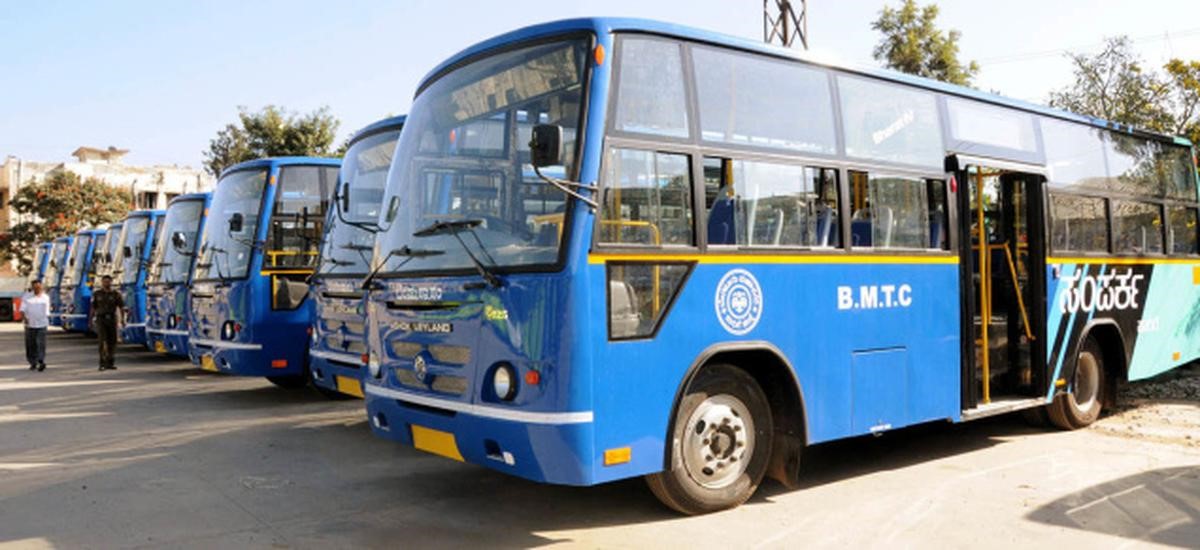
The Bengaluru Metropolitan Transport Corporation has initiated comprehensive vehicle inspections to evaluate various 7-metre midi and mini bus models. This strategic review supports ongoing transport planning to integrate 200 smaller electric buses into the municipal fleet, specifically designed to navigate congested inner-city corridors and residential neighborhoods.
The initiative follows recent directives issued by Transport Minister Byrathi Suresh, mandating the deployment of 200 mini air-conditioned electric buses within a 5-kilometre radius of Namma Metro stations. These vehicles form part of a larger allocation of 4,500 electric buses assigned to the corporation under the central government’s PM E-DRIVE scheme. Transport planners intend for these compact vehicles to serve as crucial first- and last-mile feeder links, bridging the gap between residential layouts and transit hubs where standard 12-metre buses cannot easily operate.
However, the corporation’s renewed interest in smaller vehicles revives past operational challenges. BMTC previously procured a fleet of 186 midi buses measuring approximately 9 metres in 2014. That rollout faced serious safety challenges when two vehicles caught fire in early 2022. Subsequent investigations traced the root causes to engine area short circuits triggered by loose components in the starter assemblies, prompting mandatory safety overhauls before normal operations could resume.
Beyond mechanical safety, operational economics remain a primary concern for transit administrators. BMTC routinely evaluates transport efficiency by comparing cost per kilometre against earnings per kilometre. Because smaller buses offer reduced passenger capacities while still requiring standard crew deployments of a driver and conductor, their revenue generation potential is often constrained compared to larger high-capacity coaches.
This financial dynamic carries additional weight under the Gross Cost Contract framework utilized for electric bus operations. Under a GCC arrangement, private operators maintain the vehicles while the municipal corporation pays a fixed per-kilometre rate, regardless of actual passenger ridership fluctuations. During off-peak hours on feeder routes, lower passenger counts can heighten the financial burden on the transport authority.
Despite historical financial and safety hurdles, urban expansion and the rapid growth of the Namma Metro network have made robust feeder services an operational necessity. Transport officials emphasize that deploying compact, maneuverable electric buses is vital to meeting commuter demands across Bengaluru’s narrower streets.