


Intro
Days after the US proposed fresh talks, Iran responded with a plan to end the conflict, demanding war compensation and sovereignty over the Strait of Hormuz, which Trump said is “totally unacceptable”
Dubai
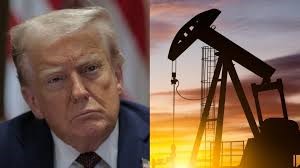
Global oil prices surged on Monday after US President Donald Trump swiftly rejected Iran’s latest response to a proposed American peace initiative aimed at ending the ongoing conflict in the Middle East.
The latest escalation comes only days after the United States floated a proposal intended to reopen negotiations with Tehran and reduce tensions in the region. However, Iran responded with a broad set of demands focused on ending the conflict across multiple fronts, especially in Lebanon, where Israel continues military operations against Hezbollah militants backed by Iran.
According to Iranian state media, Tehran’s response included demands for compensation for war-related damages and a strong assertion of Iranian sovereignty over the Strait of Hormuz. The proposal also called on the United States to end its naval blockade, guarantee that no future attacks would take place, lift economic sanctions, and remove restrictions on Iranian oil exports.
Iranian officials described their response as a balanced and responsible effort aimed at restoring regional stability. Foreign Ministry spokesperson Esmaeil Baghaei stated on Monday that Iran’s conditions were legitimate and intended to ensure peace and secure navigation in the Gulf region.
Our demand is legitimate: ending the war, lifting the blockade, and releasing Iranian assets frozen under U.S. pressure, Baghaei said. He added that safe passage through the Strait of Hormuz and regional security, including stability in Lebanon, were central elements of Tehran’s proposal.
Despite these claims, President Trump dismissed the proposal within hours through a post on his Truth Social platform. I don’t like it — TOTALLY UNACCEPTABLE, Trump wrote, without offering additional details about the reasons behind the rejection.
The United States had reportedly hoped to first secure a ceasefire before beginning discussions on more contentious matters, particularly Iran’s nuclear programme and broader regional influence.
The diplomatic stalemate immediately affected global energy markets. Oil prices climbed nearly three percent on Monday as investors reacted to fears that the Strait of Hormuz could remain largely closed for an extended period. Before the conflict erupted on February 28, the narrow waterway handled nearly one-fifth of global oil and liquefied natural gas shipments, making it one of the world’s most critical energy transit routes.
Analysts warn that prolonged instability in the region could place additional pressure on global fuel prices and further strain international trade and energy security.