


Intro
The Savita community has launched a strong protest against alleged exploitation by telecom companies and the growing dominance of corporate-run beauty parlors, calling both developments a serious threat to the livelihoods of ordinary citizens and traditional workers.
Gadag
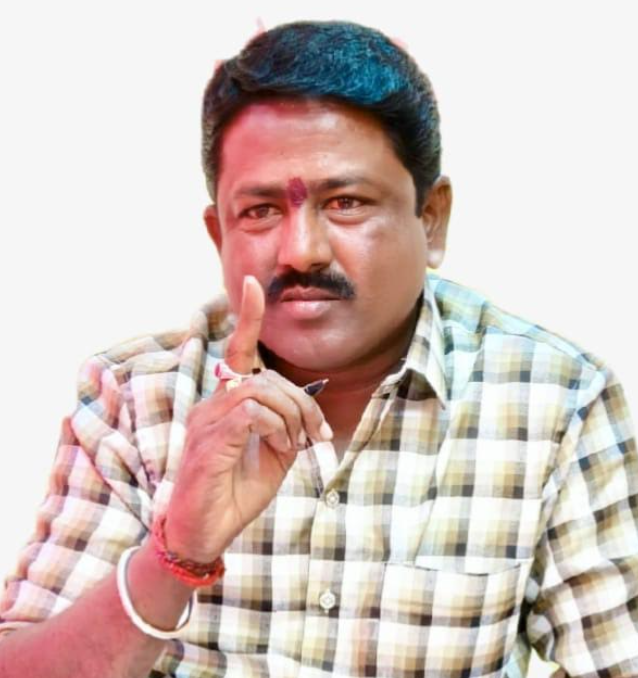
In a press statement issued on Monday, Gadag District President Krishna H. Hadapad expressed firm support for Member of Parliament Raghav Chadha, who has raised concerns in Parliament regarding telecom companies allegedly overcharging customers through misleading data and recharge plans. Hadapad described Chadha’s intervention as historic and people-centric, emphasizing that the current system unfairly burdens consumers.
He criticized telecom operators for offering recharge plans with only 28 days of validity, arguing that this effectively forces customers to pay for an extra month each year. Calling it daylight robbery, Hadapad urged the central government to adopt Chadha’s proposal of treating unused mobile data as a digital asset that can be carried forward to subsequent recharge cycles.
Beyond telecom concerns, the Savita community has also raised alarm over what it describes as corporate encroachment into their traditional occupation. Hadapad highlighted that large corporations and wealthy investors are establishing high-end, air-conditioned salons across the country, often using unaccounted money for investment. According to him, these entities, despite lacking professional expertise, are dominating the market purely through financial power.
This trend, he warned, is severely impacting small, traditional barbers who have depended on this occupation for generations. Many small shops are reportedly shutting down, pushing thousands of families into financial distress. The community has demanded immediate government intervention, including the identification and cancellation of licenses of such profit-driven establishments.
Furthermore, the Savita community has called for a special legal framework that prioritizes individuals from the community in practicing their traditional profession. Hadapad also appealed to leaders like Chadha to raise this issue in Parliament and pressure the central government to safeguard the interests of marginalized workers.
Echoing these concerns, state leader Bailappa Narayanaswamy condemned both telecom companies and corporate players, accusing them of exploiting the poor and eroding traditional livelihoods. He warned that failure to act promptly could lead to widespread public outrage.
The Savita community has vowed to continue its protest until concrete measures are taken to address both telecom exploitation and corporate domination.