


CH NEWS, BENGALURU
A scathing compliance audit report by the Comptroller and Auditor General has pulled up the Karnataka Public Works Department for systemic estimation errors and regulatory deviations that inflated project costs by nearly thirty-five crore rupees across hundreds of road development works executed between 2019 and 2024.
The official audit document, which was tabled in the state assembly on Monday, revealed that repeated violations of technical norms prescribed by the Indian Roads Congress, the Ministry of Road Transport and Highways, and state PWD codes severely compromised cost efficiency and construction quality. The investigation found that incorrect item selection and flawed rate calculations across 186 separate road projects resulted in an estimated financial bloat of thirty-four point nine crore rupees.
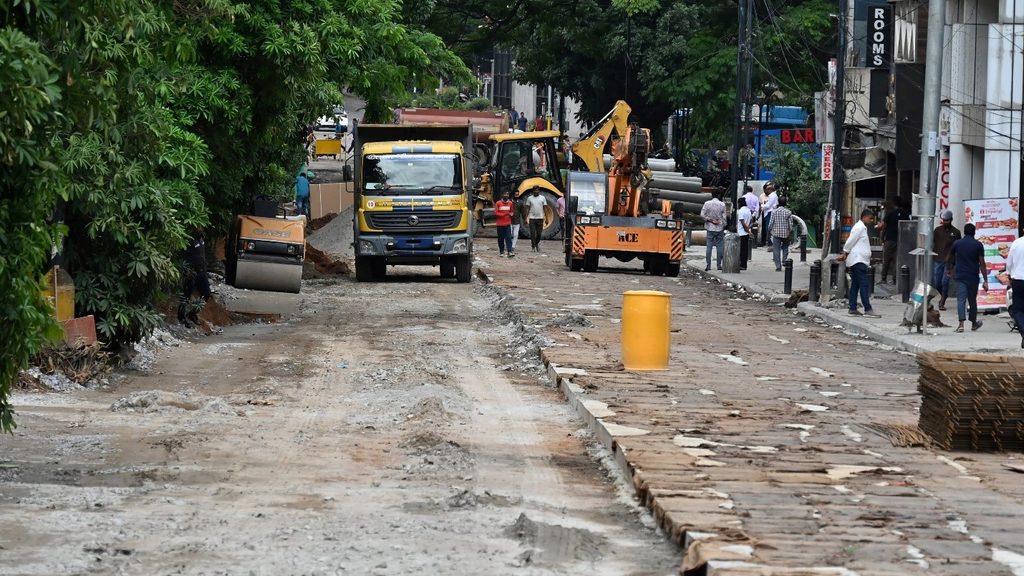
The single largest driver of financial leakage originated from bituminous construction works. Investigators discovered that the public works administration utilized an incorrect road metal density calculation of one point five tonnes per cubic meter instead of the authorized standard of one point eight tonnes recommended by the Department of Mines and Geology. This technical discrepancy alone inflated rates across 239 individual projects utilizing over five hundred fifty-seven thousand cubic meters of bituminous layers, imposing an avoidable public burden of twenty-four point one crore rupees.
Additional financial irregularities were identified in pavement quality concrete works. The audit noted that PWD divisions erroneously applied building construction rate schedules instead of specialized road work rates for PQC M40 grades, driving up costs by three point seven crore rupees across eighteen projects. Furthermore, poor engineering planning led to unnecessary expenditures; due to the absence of a standardized schedule of rates for utilizing excavated local soil in subgrades and shoulders, local divisions routinely opted to procure costlier borrowed soil, wasting an extra three point seven crore rupees across thirty-three works.
The report also highlighted severe institutional missed opportunities regarding material recycling and sustainability. Although national highway specifications explicitly mandate the incorporation of reclaimed asphalt pavement material blended with fresh aggregate for bituminous surfaces, the audit uncovered thirteen major road scarification projects that completely failed to reuse old pavement material. According to CAG estimates, recycling these reclaimed asphalt surfaces could have saved the state exchequer an estimated eight point eight crore rupees.
Responding defensively to the extensive audit observations, state administration officials claimed that budgetary constraints forced a phased approach to infrastructure development, arguing that structural thickness and material choices were tailored to lifecycle expectations. However, the audit report warned that persistent estimation flaws continue to establish faulty financial precedents that will plague future infrastructural budgeting across all state departments.