


Kathmandu
Nepal’s young generation is increasingly raising its voice against countries and companies it believes have contributed heavily to global climate change, as the Himalayan nation faces growing disasters linked to a warming planet.
Gen Z activists are demanding greater responsibility from industrialised nations and calling for climate reparations to help vulnerable countries deal with mounting losses.
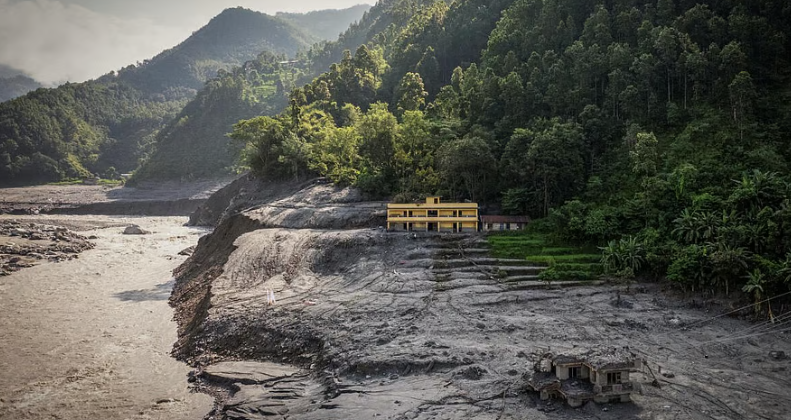
Nepal is highly exposed to the effects of climate change despite contributing only a small share of global greenhouse gas emissions. Rising temperatures, changing rainfall patterns, floods, landslides, glacial lake outbursts and other climate-related events are placing pressure on communities, infrastructure and livelihoods across the country.
Young activists argue that countries with long histories of high emissions should provide financial assistance to nations suffering the consequences of climate change. Their campaign reflects a wider global debate over climate justice, in which developing countries seek support for both adaptation and recovery from climate-related losses.
However, persuading industrialised powers to accept climate reparations remains difficult. There is no international consensus on which countries should be responsible for payments, how contributions should be calculated or which climate-related losses should qualify for compensation. Wealthier countries have also faced questions about the legal and financial implications of establishing such a system.
Nepal’s Gen Z movement is therefore seeking to bring greater public attention to the issue, using youth activism to connect local climate disasters with the wider global emissions debate. Activists say countries that have contributed least to climate change should not be left to bear a disproportionate share of its consequences.
The campaign comes as international discussions over climate finance and loss and damage continue. For Nepal, the issue is particularly significant because its mountains, glaciers and fragile ecosystems are vulnerable to rapid environmental changes. Whether its young activists can persuade major industrialised countries to support reparations remains uncertain, but their demands are adding a new generation’s voice to the global climate justice debate.