Koppal
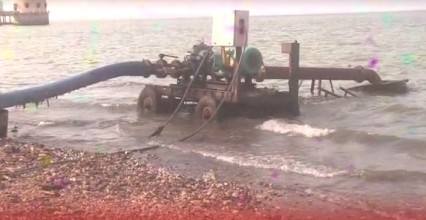
Farmers in Koppal district are facing growing difficulties as monsoon rains have failed and water availability for standing crops has become a major concern. Amid the shortage, allegations have emerged that factories in Munirabad are continuing to draw water from the Tungabhadra Reservoir, despite assurances that industrial supply would be restricted.
The Tungabhadra Reservoir is a key source of irrigation for farmers across four districts. With inflows into the reservoir having stopped completely, farmers are worried about the survival of their crops. They claim that another 15 to 20 TMC of water is required to complete the first crop cycle, adding to concerns over the future of standing crops.
Farmers have been staging regular protests, demanding that available water be prioritised for agriculture. They have questioned why industries are allegedly receiving water when farmers are struggling to secure enough for their fields. The issue has increased anger among farming communities already affected by inadequate rainfall and crop losses.
At the Irrigation Consultative Committee (ICC) meeting held on August 11, Minister Shivaraj Tangadagi had stated that water would not be supplied to factories amid the shortage. However, farmers allege that industrial units in Munirabad continue to receive water from the reservoir. They have also alleged that water is being supplied to factories despite the critical situation.
The allegations have raised questions over the management and distribution of Tungabhadra water during the current season. Farmers are seeking clarity from the authorities on the quantity of water being released to industries and the basis for allowing such supply when irrigation requirements remain unmet.
With reservoir inflows having ceased, farmers fear that further diversion of water could worsen the situation and affect the first crop cycle. They have urged the government and irrigation authorities to take immediate action, verify the alleged industrial water supply and ensure that available water is used according to priority requirements. The farmers have also demanded transparent information on reservoir levels, releases and allocations to prevent further uncertainty.