


Fresh Saudi-Houthi strikes and tanker incidents are deepening concerns over Red Sea shipping, Strait of Hormuz disruptions and already elevated global oil prices.
Cairo
Saudi Arabia and Yemen’s Iran-backed Houthi movement exchanged fresh strikes across their border, intensifying concerns that the widening Middle East war could further disrupt global energy supplies.
Houthi-controlled television reported Saudi airstrikes in Yemen’s Hajjah province, near the Saudi border and Red Sea coast, as well as areas around Taiz farther south. The attacks came amid escalating fighting involving the Houthis and Saudi-backed Yemeni government forces.
Saudi Arabia’s civil defence said a Yemeni resident was killed by debris from a drone intercepted over the western city of Taif. It was the first death publicly announced by Riyadh from the repeated Houthi attacks since fighting escalated last week. Saudi authorities have previously reported more than 80 people wounded.
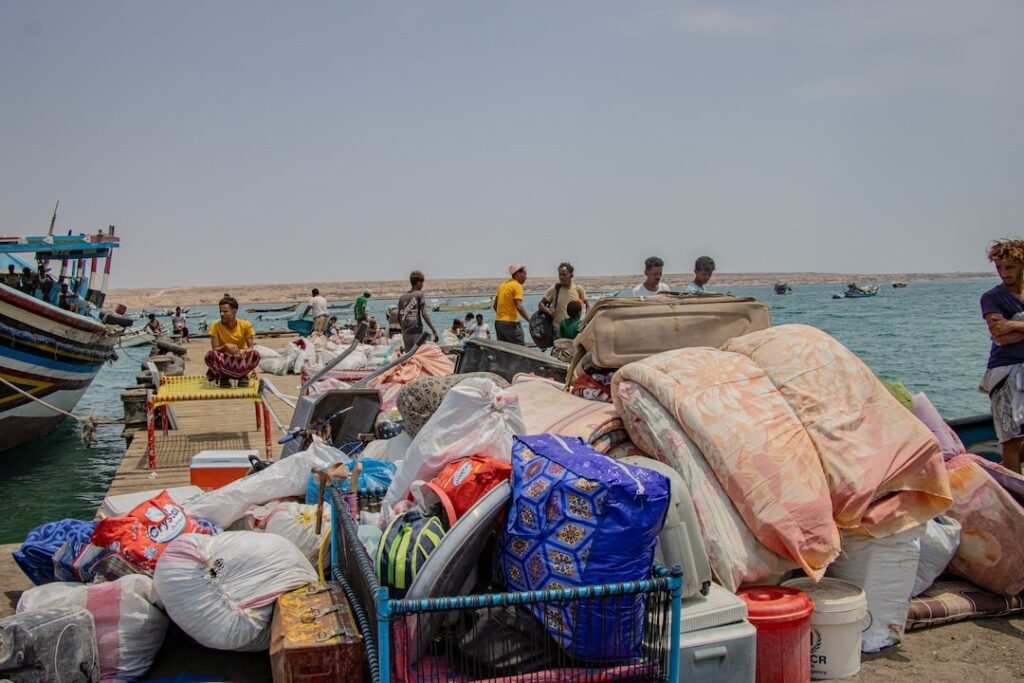
The conflict is also driving fresh displacement. Yemenis fleeing clashes have taken boats across the Red Sea, seeking safety in Djibouti, according to humanitarian officials.
The developments have heightened concerns for Gulf oil exports because the conflict threatens the Red Sea, a key alternative route if shipping through the Strait of Hormuz remains constrained.
Iran’s Revolutionary Guards Navy separately said a Togo-flagged oil tanker caught fire after being hit while attempting what it described as an “illegal passage” through the Strait of Hormuz. The vessel later stopped after the fire, Iranian state media reported.
Oil prices eased slightly on Thursday but remained above $100 a barrel after reaching their highest levels since May. US retail diesel prices also reached a record high, approaching $6.40 per gallon.
The worsening crisis comes as US President Donald Trump considers whether to launch further major attacks on Iran.