


NEW DELHI
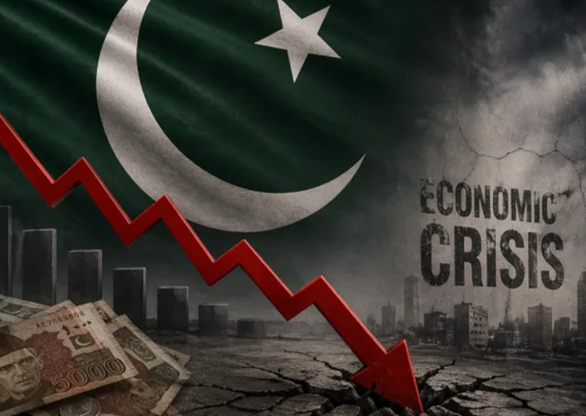
Rising fuel, electricity and gas prices in Pakistan are increasing pressure on households, while large-scale public protests against the hikes have remained limited, according to a report.
A report by The Friday Times said repeated increases in petroleum product prices and utility tariffs are adding to the cost-of-living burden for families already dealing with inflation and weak purchasing power. Nearly half of Pakistan’s population now lives below the poverty line, the report said.
The report noted that higher fuel prices have a wider impact because they increase transportation costs and push up prices of food and other essential commodities. This has placed additional pressure on lower- and middle-income groups, worsening financial insecurity across the country.
Despite the economic hardship, public resistance has remained relatively limited. According to the report, political fragmentation, weak opposition mobilisation, a lack of unified leadership and declining confidence in the ability to influence policymaking have contributed to the absence of major protests.
The report also compared the current situation with earlier periods in Pakistan’s history, when relatively modest increases in essential commodity prices triggered widespread public movements. It said the present situation reflects broader social and political changes, including stronger status quo tendencies and reduced space for collective mobilisation.
Pakistan’s large youth population has also become part of the debate. While young people are often seen as potential drivers of political and social change, experts cited in the report said economic uncertainty, social divisions and the absence of cohesive leadership have limited organised action.
The report said rising living costs could continue to fuel frustration and economic insecurity unless wider governance, economic and institutional challenges are addressed across households, communities and the wider economy.