


Cairo
A recycling scheme offering phone credit in exchange for empty bottles and cans has triggered an unusual dispute in Cairo, highlighting the delicate balance between modern waste initiatives and the city’s longstanding informal collection networks.
Two machines installed last month in Dokki, a middle-class district west of central Cairo, quickly drew opposition from the city’s traditional rubbish collectors, known as the “zabaleen”. The machines, which reward residents for depositing recyclable waste, have operated for years in universities, malls, private clubs and gated communities around Cairo.
But the zabaleen saw their arrival in Dokki differently. They feared the machines could encroach on territory where they have collected household waste for generations.
The dispute briefly erupted into a live television confrontation between a local official and Shehata El-Moqaddas, head of the zabaleen syndicate. “Where are the zabaleen in what you’ve done?” Moqaddas demanded.
The disagreement has since eased, but it exposed the complicated politics of waste collection in a city of more than 20 million people.
Cairo has no cohesive waste-management system, leaving rubbish to accumulate in informal dumpsites, alleys, canals and vacant lots. Some waste is also burned, worsening air pollution.
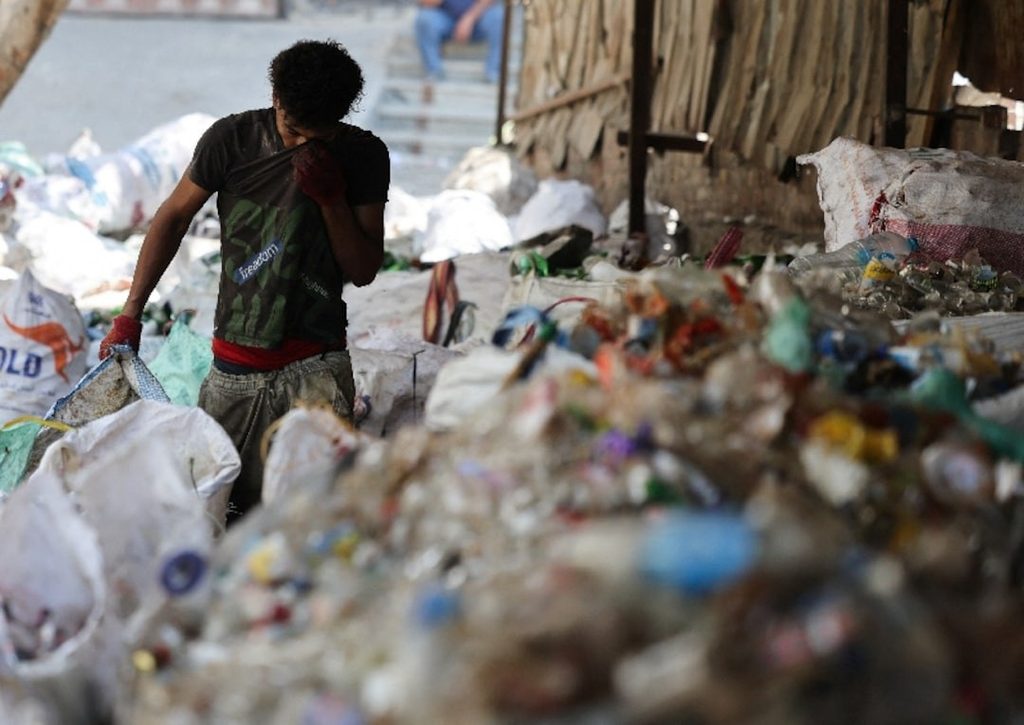
For decades, the zabaleen have helped fill the gap left by the state and formal businesses. Mostly drawn from Egypt’s Coptic Christian minority, they collect rubbish door-to-door, transport it to sorting sites and separate reusable materials.
Their system has attracted praise from academics and environmentalists, with research estimating that they collect roughly half of Cairo’s waste and recycle about 80% of what they gather.
The episode demonstrates that introducing new recycling technology in Cairo involves more than improving waste management—it also means navigating the livelihoods of a deeply established informal workforce.