KOPPAL
A massive financial scandal involving Rs 8.43 crore has come to light within the Koppal Urban Development Authority (KUDA), following a recent audit of the organization’s accounts. The investigation revealed that substantial funds were embezzled through unauthorized bank accounts opened under the pretext of allocating residential plots to unsuspecting citizens.
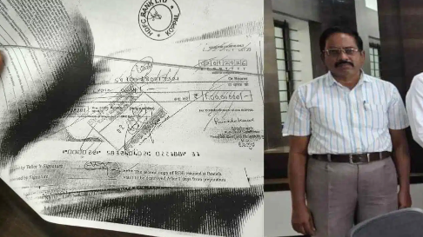
The alleged mastermind behind the scheme is Ravindra, an outsourced daily-wage employee who had worked at the authority for eighteen years. Authorities claim he deceived the public by promising plots in the Saroja Layout near KIMS, Koppal, and diverting their payments into illicit private accounts. Following the audit’s findings, KUDA Commissioner Sharanappa filed a formal complaint at the Koppal City Police Station, and the employee has since been dismissed.
However, District Magistrate Suresh Itnal suggested that the scale of the fraud indicates a deeper conspiracy, noting that it is unlikely to be the work of a single individual. Suspicion has fallen on a network of insiders, including other staff members and bank officials, who may have facilitated the transfers. Notably, funds continued to be moved even after the primary suspect’s dismissal, and signatures of multiple officials have been discovered on fraudulent documents. A comprehensive investigation is now underway to determine the extent of this institutional corruption.
This revelation has triggered a sharp political backlash. Opposition leader R. Ashok launched a stinging critique of the ruling Congress government, labeling the urban development department as a literal “ATM” for political leaders. Alleging that corruption has become systemic across all government branches, Ashok argued that this was not a simple case of low-level staff misconduct but rather an organized “institutional loot” of public resources. He has urgently called upon the Chief Minister to ensure a thorough, transparent probe, demanding that all individuals involved be held accountable and sentenced to jail immediately to uphold the public trust.