


NEW DELHI
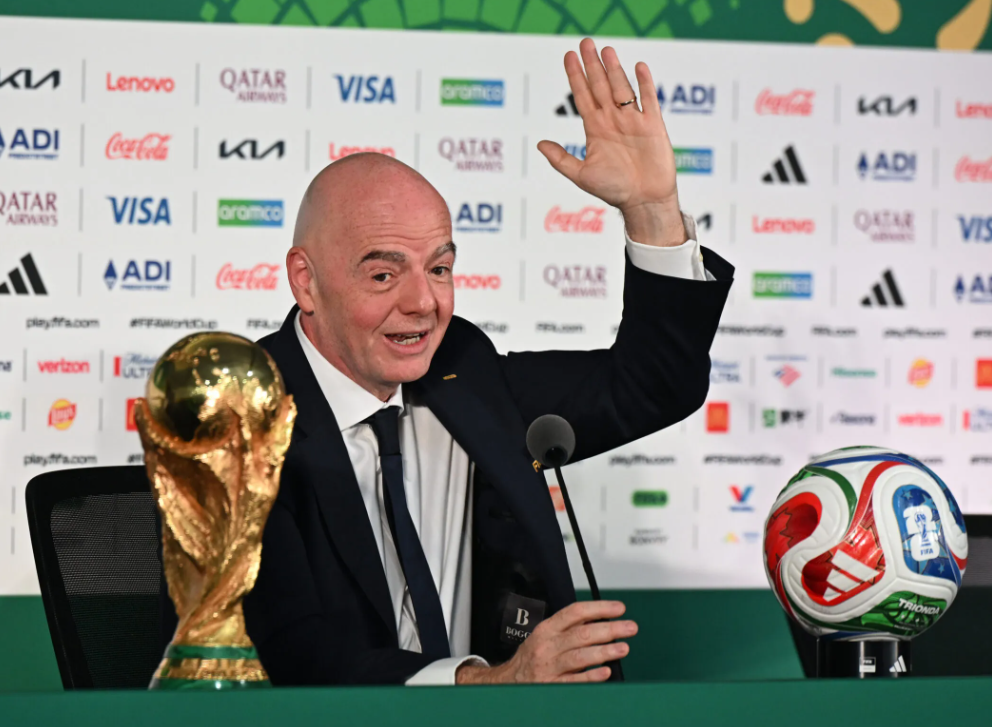
Global soccer politics faced a major tremor as UEFA, the Asian Football Confederation, and CONCACAF launched a sharp joint attack on FIFA President Gianni Infantino. The three powerful bodies accused him of breaking trust through deception and prioritizing his own personal authority over the collective good of the sport.
This heavy criticism follows a deeply controversial and now-abandoned plan by Infantino to sell a 20 percent stake in the World Cup’s commercial rights to private investors for roughly $4.2 billion. Though the open letter stopped short of explicitly demanding his immediate resignation, the confederations demanded a fully independent investigation into the decisions that led to what they termed a profound failure of judgment.
The friction centers heavily on an emergency FIFA meeting held in Morocco, which critics noted lacked proper elected representation. Tensions have grown rapidly ahead of the upcoming presidential election, with figures like Norway’s Lise Klaveness openly calling for his departure. Meanwhile, other federations across Africa and parts of South America continue to maintain their backing for the Swiss administrator.
FIFA has strongly defended its leader, labeling the mounting pressure as a coordinated campaign to undermine the organization. Nevertheless, with major regional bodies threatening potential tournament boycotts unless strict governance guarantees are met, Infantino faces the most severe leadership challenge of his tenure. The internal division highlights deep disagreements over how commercial assets and tournament rights should be managed moving forward, threatening further instability within world football’s governing hierarchy before the vote.ngly defended its leader, labeling the mounting pressure as a coordinated campaign to undermine the organization. Nevertheless, with major regional bodies threatening potential tournament boycotts unless strict governance guarantees are met, Infantino faces the most severe leadership challenge of his tenure. The internal division highlights deep disagreements over how commercial assets and tournament rights should be managed moving forward, threatening further instability within world football’s governing hierarchy before the vote.