


TEL AVIV
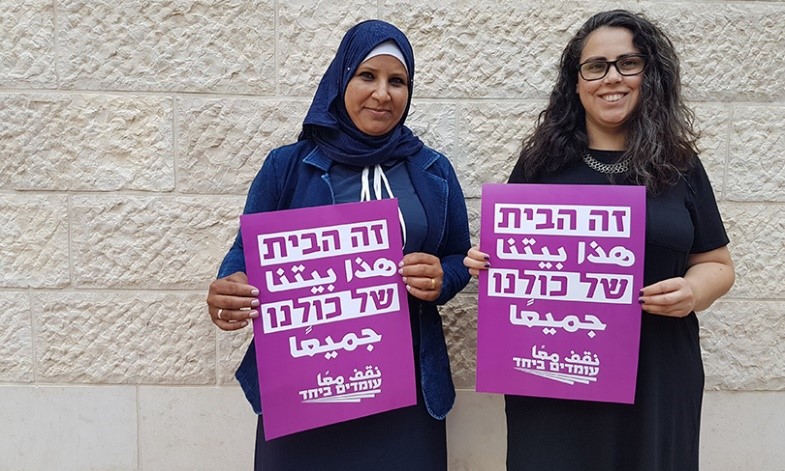
A new political party called ‘A Place for Us All’ is entering Israel’s upcoming election.
The group brings together Arab and Jewish members who want to change the country’s direction. However, this fresh movement is creating a big debate about how to remove Prime Minister Benjamin Netanyahu from power.
Israel’s Arab minority makes up one-fifth of the population. Many people in this community feel ignored and face major challenges like high crime rates and poor funding in their towns. In past elections, only a little more than half of Arab citizens voted. This low turnout helped Netanyahu and his right-wing allies win control.
The new party wants to fix this by speaking directly to young people who usually stay home on Election Day. Leaders of the group hope to inspire these youth to cast ballots and push for peace and equality. They split their candidate list evenly between men and women, as well as Arab and Jewish citizens.
Still, established political leaders are worried. They point out that a party must reach a specific vote threshold to enter parliament. If a new group fails to reach that goal, those votes are lost entirely. Critics fear this will split the community and waste critical support, making it harder to unseat the current government.
Meanwhile, traditional Arab parties are trying to unite under one banner to maximize their voting power. They believe that adding a new, untested player to the race will only hurt their shared goal of gaining a stronger voice in parliament. The founders of the new party claim they will bring in totally new voters rather than divide existing ones. As October approaches, everyone is watching to see if this bold experiment will help or hurt the opposition.
BOX
Core values of the proposed party
Diverse leadership: Co-chaired by activists Rula Daood and Alon-Lee Green, the party’s candidate list splits representation evenly between men and women, as well as Arab and Jewish citizens.
Targeting non-voters: Organizers are focusing heavily on young citizens and marginalized communities who typically stay home on election day, aiming to expand the overall electorate rather than fight over existing pools of voters.
Core platform: The group centers its platform on urgent domestic concerns such as soaring crime rates, housing shortages, and economic inequality alongside a revived push for Israeli-Palestinian peace.
Electoral threshold risk: Critics and political analysts warn that because Israel enforces a strict 3.25% vote threshold to enter parliament, an untested fringe party risks wasting precious anti-government votes if it fails to clear the bar.
Opposition friction: Traditional Arab parties which are attempting to consolidate their own voter base have largely dismissed the newcomers, arguing that fragmenting the ballot only serves to weaken the minority’s collective leverage in the Knesset.