


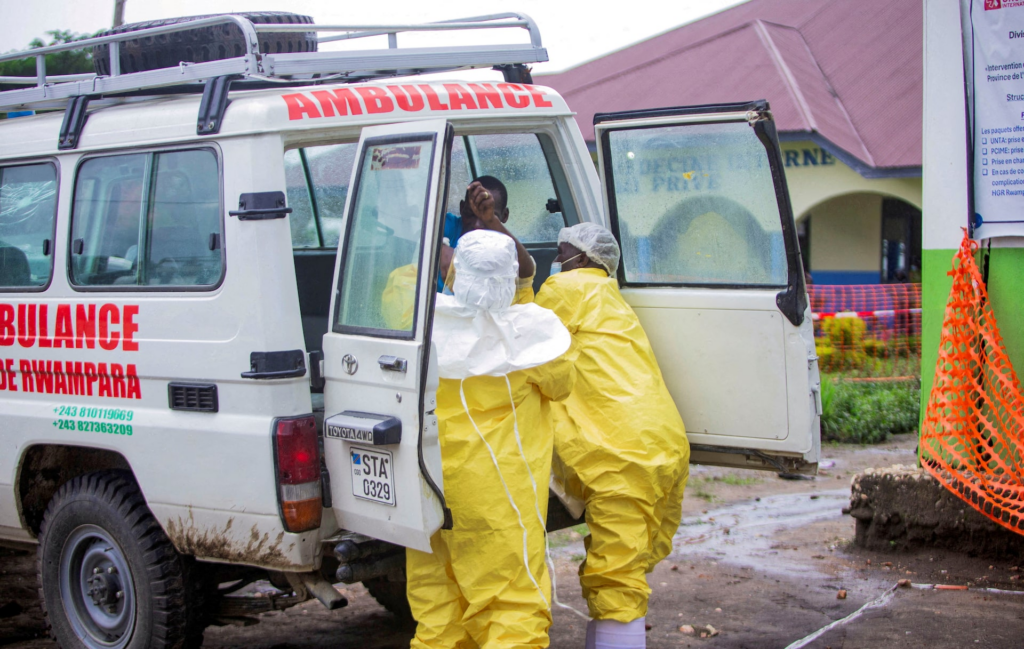
Democratic Republic of Congo
The Democratic Republic of Congo has reported a further increase in confirmed Ebola infections, with the total number of cases reaching 3,075, while the death toll has climbed to 1,354, according to government data released.
The latest figures underscore the continued impact of one of the country’s major Ebola outbreaks, as health authorities remain engaged in surveillance, treatment, and containment efforts to prevent further transmission of the deadly virus.
Government data showed that the outbreak has resulted in more than 3,000 laboratory-confirmed infections, with 1,354 people losing their lives. Health officials continue to monitor affected communities, identify contacts of confirmed patients, and strengthen response measures aimed at limiting the spread of the disease.
Ebola is a severe viral illness that spreads through direct contact with the bodily fluids of infected individuals or contaminated materials. Symptoms typically include fever, fatigue, muscle pain, vomiting, diarrhea, and, in severe cases, internal and external bleeding. Without timely treatment, the disease can be fatal.
The Democratic Republic of Congo has experienced multiple Ebola outbreaks over the past several decades due to the virus’s presence in the region. International health organizations have frequently partnered with Congolese authorities to provide medical assistance, deploy vaccines, establish treatment centers, and improve disease surveillance.
Health experts emphasize that rapid detection of new cases, isolation of infected patients, contact tracing, and community awareness remain the most effective strategies for containing Ebola outbreaks. Vaccination campaigns targeting high-risk populations have also played an important role in reducing transmission during recent outbreaks.
Authorities have urged residents in affected areas to promptly report suspected symptoms and cooperate with public health teams conducting investigations and contact tracing. Continued monitoring and coordinated response efforts are expected to remain critical in preventing further spread of the virus and reducing fatalities.
The government has not announced any major changes to its response strategy but said surveillance and containment operations remain ongoing as health officials work to bring the outbreak under control.