


Ramallah
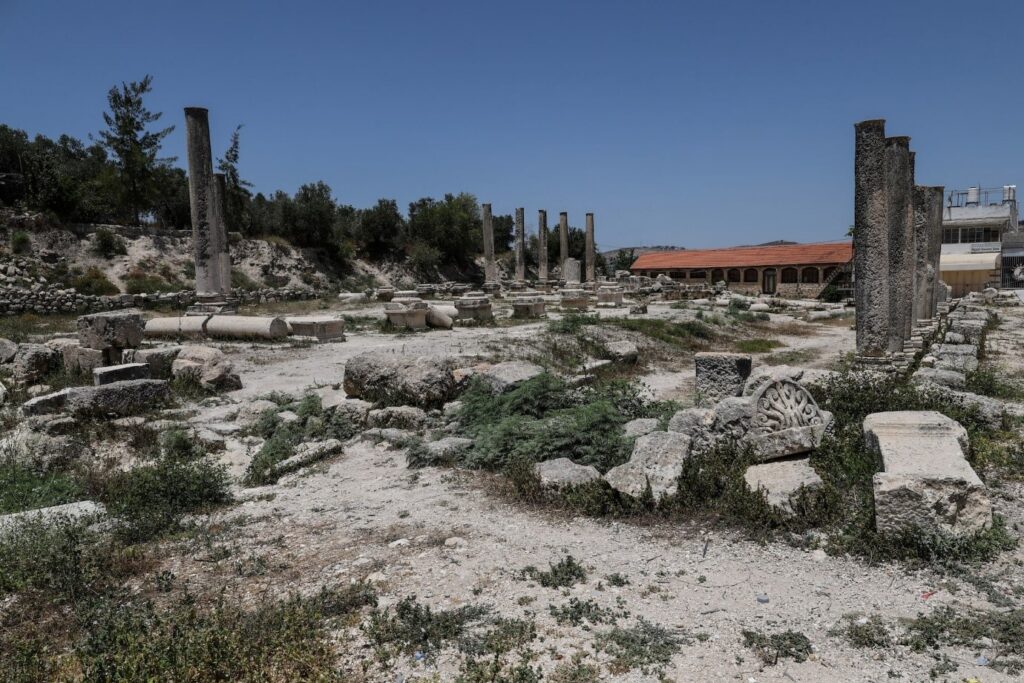
UNESCO has designated the ancient village of Sebastia in the occupied West Bank as a World Heritage Site and simultaneously placed it on the List of World Heritage in Danger, a move that has drawn contrasting reactions from Palestinians and Israel.
Situated north of Nablus, Sebastia is one of the region’s most historically significant archaeological sites, containing remains from the Israelite kingdom dating back to the 9th century BC, as well as Hellenistic, Roman, Byzantine, Islamic, Crusader and Ottoman eras. The site, traditionally believed to be the burial place of John the Baptist, is surrounded by olive groves, Roman columns, ancient walls and a well-preserved amphitheatre.
Palestinian officials hailed UNESCO’s decision, expressing hope that the international recognition would help preserve the site and prevent Israeli plans to expand control over the area. Israel announced in late 2025 that it intended to seize around 1,800 dunams (445 acres) around Sebastia for development, a move Palestinians describe as part of a broader settlement expansion strategy.
The Palestinian tourism and foreign ministries said the heritage listing would strengthen international efforts to protect the site. Village deputy mayor Nizar Kayed also welcomed the decision, saying it could help safeguard Sebastia’s cultural and historical identity.
Israel, however, criticised the UNESCO decision, calling it politically motivated. Foreign Minister Gideon Saar said the move was part of an attempt to undermine Jewish historical ties to the land. Palestinian officials have also raised concerns over a proposed Israeli bill that would extend Israeli civil control over archaeological sites across the occupied West Bank.
Quote
No vote in an international organisation can change history.
Gideon Saar, Israeli Foreign Minister