


Blurb
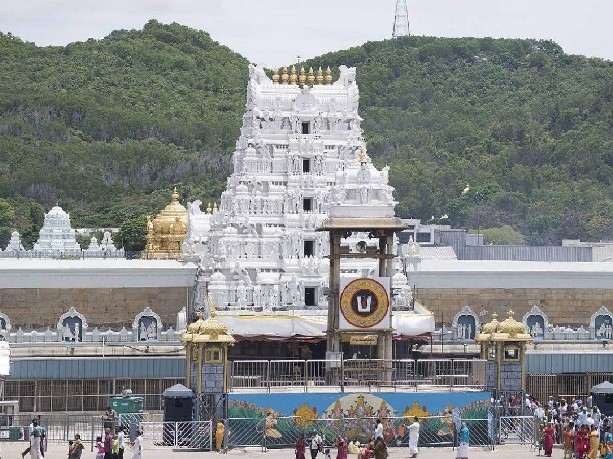
TTD board member S. Naresh Kumar welcomed DK Shivakumar’s proposal to revise Tirumala’s ‘First Aarti’ protocol for Karnataka.
BENGALURU
Tirumala Tirupati Devasthanams board member S. Naresh Kumar has welcomed a fresh proposal by Karnataka Chief Minister DK Shivakumar to revise the historic ‘First Aarti’ etiquette at the famous hilltop shrine. The ongoing discussion aims to systematically formalize how Karnataka’s traditional honors are received at the temple.
Kumar explained that the proposal beautifully aligns with ancient traditions honoring the Mysore royal family. Historically, the very first morning aarti after the sacred Suprabhata service was dedicated to the Maharaja of Mysore to acknowledge his grand patronage. The holy lamp and pure ghee used for this ritual are officially offered in the name of the Mysore royalty.
In the past, if the Maharaja could not attend, his Diwan or top state representatives received the honors. However, due to a current lack of a defined administrative protocol, regular officials from the Endowment Department end up receiving it. Kumar praised Shivakumar for taking a deep personal interest in reviving this historical legacy through a proper administrative framework.
However, the TTD board member introduced a vital condition to the Chief Minister’s plan. He strongly suggested that this spiritual honor must not remain restricted only to political office bearers or touring ministers. Instead, the new protocol should allow any prominent dignitary from Karnataka present at Tirumala on that specific day to receive the blessings on behalf of the state. Furthermore, Kumar suggested that major temples within Karnataka should also adopt similar etiquette based on their own distinct local histories.
The statement comes as a crucial clarification after another TTD member, Bhanu Prakash, previously claimed the Chief Minister had misunderstood the ritual’s context. Addressing this, Kumar stated that if the Karnataka government submits a formal, structured proposal to the TTD board, it will be reviewed positively. The board will carefully balance the state’s request with ancient temple traditions, historic backgrounds, and strict existing guidelines to make a final, respectful decision.