


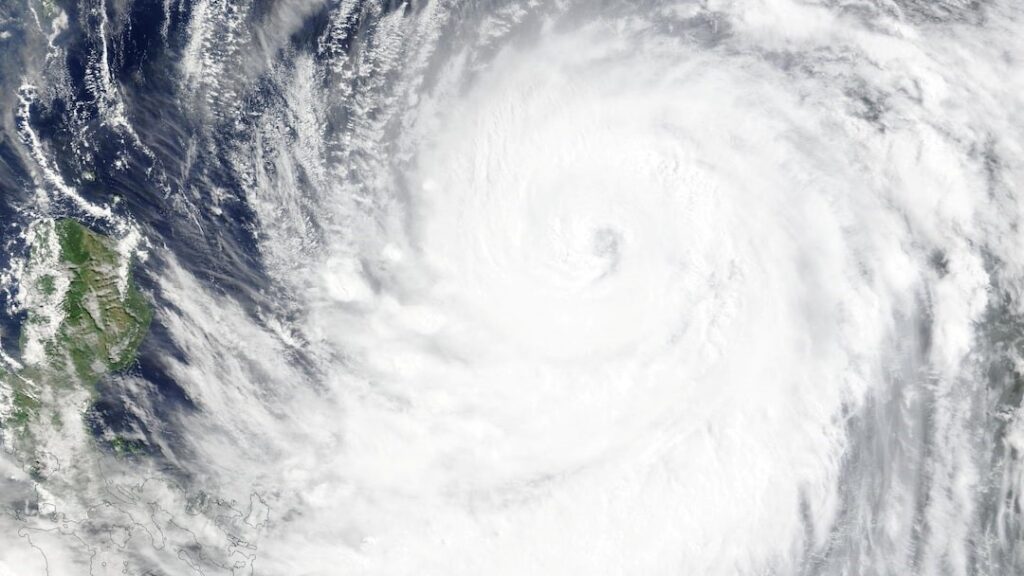
Intro: Authorities intensified emergency preparations as Typhoon Bavi threatened widespread destruction across Taiwan and eastern China this weekend ahead.
Suao
China and Taiwan have stepped up emergency preparations as Typhoon Bavi approaches the region, with forecasters warning that it could become one of the most destructive tropical storms to strike the area in recent years. Carrying winds of nearly 200 kilometres per hour, the powerful storm is expected to bring torrential rain, dangerous flooding and widespread disruption as it moves towards Taiwan before making landfall in eastern China.
Meteorological agencies reported that Bavi was positioned southeast of Taiwan on Thursday and had expanded to nearly 1,000 kilometres across at its widest point, making it one of the largest storms seen in decades. Forecasts indicate that the typhoon will skirt northern Taiwan before moving towards China’s Fujian province, where landfall is expected on Saturday evening.
Taiwan’s Central Weather Administration warned that northern mountain regions around Taipei could receive up to one metre of rainfall, significantly increasing the risk of landslides, flash floods and overflowing rivers. Officials have urged residents living in vulnerable areas to remain alert and follow evacuation instructions if necessary.
The Taiwanese defence ministry said approximately 29,000 military personnel have been placed on standby to support rescue operations, disaster response and relief efforts. Authorities believe Bavi could become the island’s strongest typhoon since Typhoon Kong-rey struck in 2024, an event that claimed three lives and caused extensive property damage.
Weather experts noted that storms of Bavi’s size have become increasingly uncommon in recent years. Jason Chang, a forecaster with Taiwan’s Central Weather Administration, described the approaching system as potentially the largest typhoon by physical size to affect Taiwan since 1987. Although forecasters expect some weakening in wind intensity beginning Thursday, they cautioned that the storm will remain extremely dangerous as it moves across Taiwan and eastern China through the weekend.
Preparations were also underway in communities expected to bear the brunt of the storm. In the northeastern Taiwanese port town of Suao, hundreds of fishing vessels crowded into the harbour seeking protection from rough seas. Residents queued to collect sandbags distributed by local authorities, while farmers hurried to harvest rice crops before heavy rain and strong winds arrived. Emergency services were placed on high alert, and officials advised people to avoid unnecessary travel.
Meanwhile, China continues to recover from the devastation caused by Typhoon Maysak earlier this week. Rescue teams remained engaged in search operations across the southwestern Guangxi region, where at least 39 people were killed. Local officials said nine people were still missing as crews searched damaged communities and cleared debris left behind by the powerful storm.
The back-to-back severe weather events have highlighted the increasing vulnerability of East Asia to extreme climate conditions. Scientists have linked the growing intensity and frequency of tropical cyclones to climate change, while the expected development of El Niño this year is likely to create warmer ocean temperatures that can provide additional energy for stronger and more destructive typhoons.