


INTRO: Lebanon’s Parliament Speaker rejected a US-backed agreement, warning it threatens national unity and lasting regional peace efforts.
Beirut
Lebanon’s Parliament Speaker Nabih Berri has strongly rejected a United States-mediated agreement between Lebanon and Israel, describing it as unacceptable and warning that it could deepen political divisions within the country.
Berri, a close ally of Hezbollah and leader of the Amal Movement, said the proposed arrangement would not be implemented and insisted that diplomatic negotiations between Iran and the United States remain the only realistic path toward securing an Israeli withdrawal from southern Lebanon.
Speaking to a Lebanese newspaper, Berri argued that any attempt to separate Lebanon’s future from the broader diplomatic process involving Tehran and Washington would only extend Israel’s military presence in Lebanese territory. He maintained that the ongoing regional negotiations are closely interconnected and that resolving the wider conflict is essential to achieving lasting peace in Lebanon.
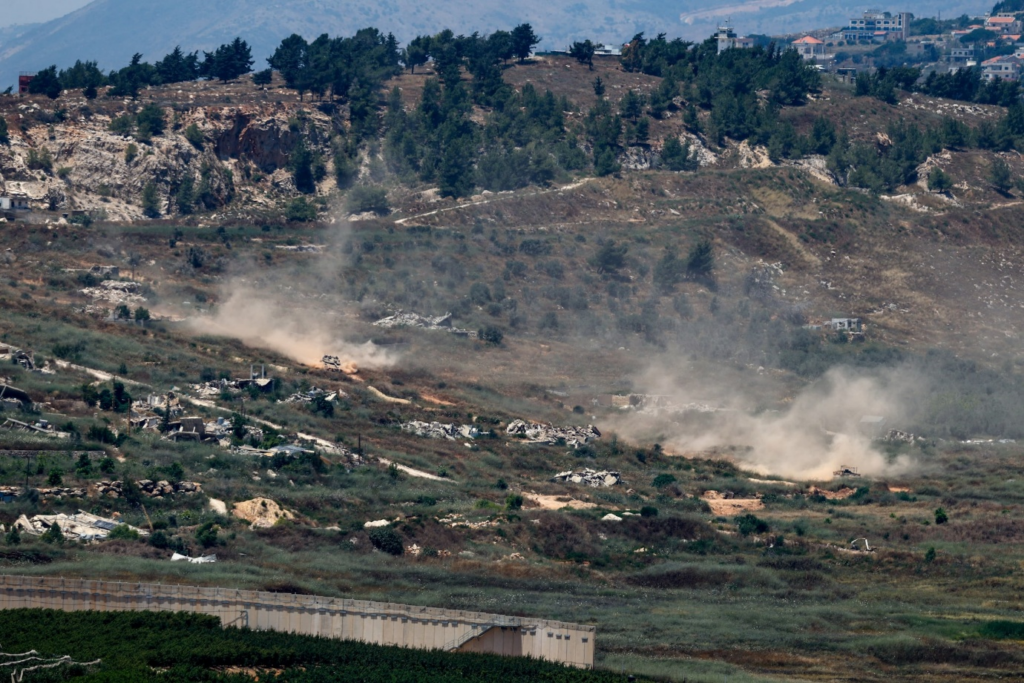
The latest controversy comes amid continuing tensions following months of fighting between Israel and Hezbollah. The conflict began on March 2 after Hezbollah launched attacks against Israel in support of Iran following military operations involving the United States and Israel. Since then, southern Lebanon has remained a key battlefield, with Israeli forces maintaining control over a security zone that they say is necessary to protect communities in northern Israel from future attacks.
The agreement signed by Lebanese and Israeli ambassadors in Washington on Friday outlines a phased security arrangement under which the Lebanese military would gradually assume control of designated areas after the verified disarmament of non-state armed groups, a provision widely understood to refer to Hezbollah. As part of the plan, Israeli forces would progressively withdraw from occupied territory while the Lebanese army establishes authority in selected pilot zones.
Israeli Prime Minister Benjamin Netanyahu welcomed the agreement, stating that it would allow Israeli troops to remain in southern Lebanon if Hezbollah failed to disarm. Hezbollah, however, has dismissed the agreement as a surrender to Israeli demands and has urged the Lebanese government to withdraw from direct negotiations with Israel.
Berri described the agreement as a set of imposed conditions rather than a negotiated settlement. He warned that its greatest danger lies not only in its political provisions but also in its potential to create internal conflict among Lebanon’s diverse communities. According to Berri, forcing such an agreement on the country could encourage domestic confrontation instead of strengthening national unity.
The Lebanese government, led by President Joseph Aoun and Prime Minister Nawaf Salam, has continued pursuing diplomatic engagement with Israel despite Hezbollah’s opposition. Their administration has also sought to advance a long-term policy aimed at securing Hezbollah’s disarmament following the group’s significant military setbacks during the 2024 conflict with Israel.
Meanwhile, President Aoun held discussions with United States President Donald Trump over the weekend, expressing hope that Washington would encourage Israel to withdraw completely from southern Lebanon. At the same time, the Israeli military announced that it had destroyed a lengthy Hezbollah tunnel and carried out strikes against three Hezbollah command centers, alleging violations of the existing ceasefire.